Used Excavator and Skid Steer Finance Australia
Read time: 20 min
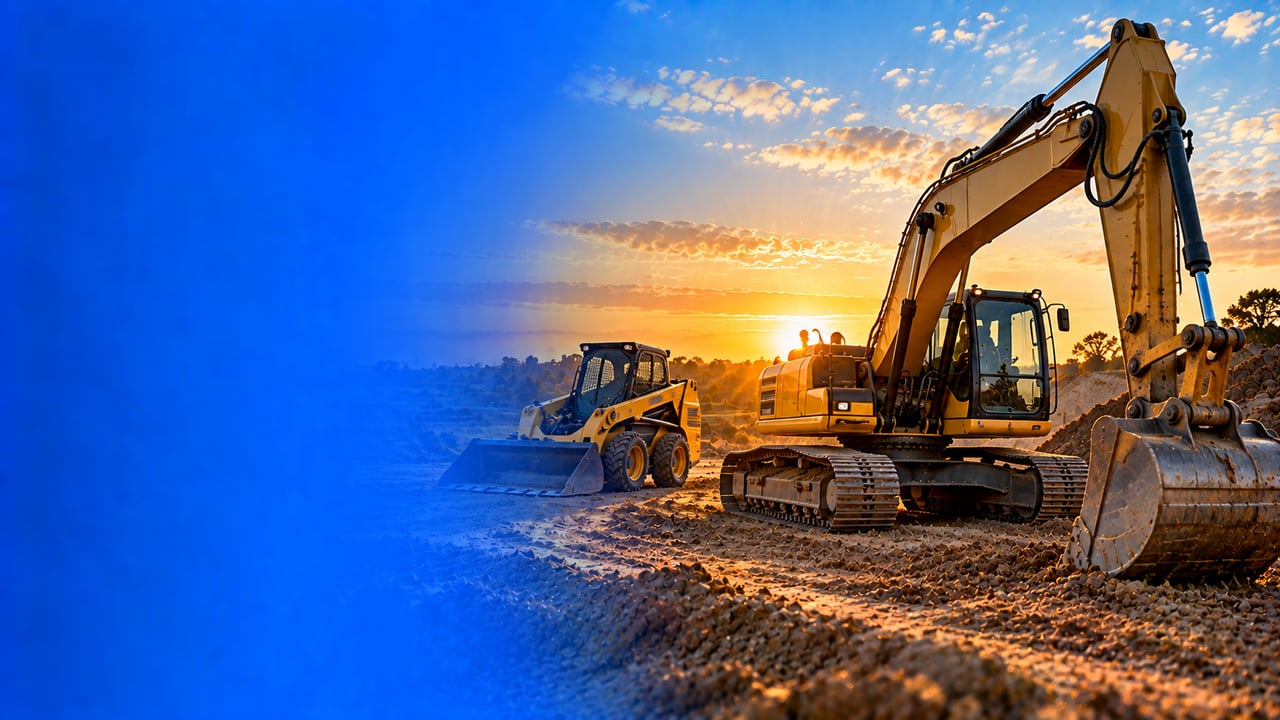
Used excavator and skid steer finance gives Australian earthmoving, excavation and civil businesses a way to purchase productive machinery without paying the full purchase price upfront.
For many operators, buying used can make commercial sense.
A well-maintained second-hand excavator or skid steer may allow a business to:
- Add another machine sooner
- Replace unreliable equipment
- Increase digging or earthmoving capacity
- Take on larger contracts
- Reduce machinery hire costs
- Buy a larger machine within budget
- Access equipment that is immediately available
- Preserve more working capital
The machine does not necessarily need to come from a dealership.
Eligible used excavators, skid steers and other earthmoving equipment can potentially be financed when purchased through:
- Machinery dealers
- Private sellers
- Other contractors
- Equipment auctions
The lender will assess both the business and the machine.
That means approval can depend on factors including:
- ABN history
- Trading history
- Earthmoving experience
- Current work
- Business income
- Bank statements
- Existing machinery finance
- Credit profile
- Machine age
- Operating hours
- Purchase price
- Market value
- Equipment condition
- Deposit or trade-in
The Asset Finance Shop (TAFS) specialises in commercial asset finance and can compare suitable machinery finance options through access to more than 80 bank and non-bank lenders.
For straightforward applications where the required information and machine details are available, approval can be arranged in as little as 24 hours.
This guide explains how machinery finance in Australia works for used excavators and skid steers, what lenders assess, how low documentation machinery loans work and what businesses should check before committing to a machine.
Can I Finance a Used Excavator in Australia?
Yes.
Used excavators can be financed through selected commercial asset finance lenders.
TAFS can arrange finance for eligible excavators purchased:
- New or used
- Through a dealer
- Privately
- At auction
Older machinery may also be considered depending on the lender's requirements around age, condition, value and expected working life.
The strongest finance option will depend on both:
Your business
and:
The excavator.
A lender that is comfortable financing a three-year-old excavator through a dealer may not be the right lender for a ten-year-old machine being purchased privately.
That is why lender matching matters.
Can I Finance a Used Skid Steer?
Yes.
Used skid steers and posi-tracks can be financed through selected lenders.
The lender may assess:
- Make
- Model
- Year
- Operating hours
- Condition
- Purchase price
- Market value
- Seller
- Business use
Skid steers often have a lower purchase price than larger excavators, which can potentially provide access to a broader range of lenders depending on the business and amount being financed.
What Is Machinery Finance?
Machinery finance is commercial asset finance used to purchase equipment that generates income or supports the operation of a business.
Rather than paying the full machinery price from cash, the approved amount is repaid over an agreed finance term.
For earthmoving and civil businesses, machinery finance can potentially cover:
- Excavators
- Mini excavators
- Skid steers
- Posi-tracks
- Loaders
- Graders
- Rollers
- Compactors
- Dozers
- Trenchers
- Attachments
- Other commercial earthmoving machinery
Used machinery finance can be particularly useful where a business needs equipment quickly but wants to keep working capital available for other expenses.
Why Finance Used Earthmoving Machinery?
Buying new is not always the strongest commercial option.
Used machinery may allow a contractor to buy the equipment it needs at a lower purchase price.
For example, a business may have a choice between:
Option A
Brand-new compact excavator
Higher purchase price
Full manufacturer warranty
Option B
Three-year-old larger excavator
Lower purchase price
Higher operating hours
The second option may give the business access to greater capacity for the same budget.
Used machinery can also be attractive where:
- New equipment has a long delivery time
- A specific machine becomes available privately
- A retiring contractor is selling equipment
- A suitable machine appears at auction
- The business wants to reduce upfront capital requirements
The key is making sure the used machine is commercially suitable before taking on the finance.
What Does a Lender Check on a Used Excavator?
Used machinery requires the lender to assess the asset as well as the borrower.
Common factors include:
Machinery Age
The lender may have maximum-age requirements.
A machine that is already older may also be offered a shorter finance term.
Operating Hours
Hours can help indicate how heavily the excavator has been used.
Two machines of the same age can have very different values if one has substantially higher hours.
Condition
The lender may want to understand whether the equipment is operational and commercially usable.
In some transactions, an inspection may be required.
Market Value
The purchase price needs to make sense relative to the equipment's market value.
Remaining Working Life
The lender considers whether the machine is likely to remain productive for the proposed finance term.
Seller
A dealership purchase can involve different settlement checks from a private sale or auction.
TAFS's existing used-machinery guidance confirms lenders assess factors such as age, operating hours, condition, market value, expected working life and seller type when considering used equipment finance.
What Does a Lender Check on a Used Skid Steer?
The same broad principles apply.
The lender may look at:
- Year
- Make and model
- Hours
- Attachments
- Condition
- Value
- Purchase price
- Intended work
For a smaller earthmoving business, a skid steer may be easier to justify where the machine will directly support existing work.
For example:
- Site clean-ups
- Trenching
- Landscaping
- Material handling
- Residential excavation
- Civil preparation
- Tight-access work
The clearer the commercial purpose, the easier it is for the lender to understand the transaction.
Can Excavator Attachments Be Financed?
Potentially.
Eligible attachments may sometimes be included in the same finance facility as the machine.
This can include:
- Buckets
- Augers
- Rippers
- Hydraulic breakers
- Tilt hitches
- Grabs
- Compaction attachments
TAFS's existing equipment finance material also notes that skid steer attachments such as 4-in-1 buckets, trenchers, sweepers and pallet forks can potentially be included with the machine.
Whether an attachment can be included will depend on:
- Value
- Seller
- Finance amount
- Lender policy
Dealer vs Private-Sale Excavator Finance
Both can potentially be financed.
But the settlement process can differ.
Dealer Purchase
The lender may receive:
- Dealer invoice
- Machine details
- Serial number
- Seller information
and settle directly with the dealer once the finance conditions are satisfied.
Private Sale
Additional checks may be required around:
- Seller identity
- Proof of ownership
- Serial number
- Existing security
- Purchase price
- Market value
- Equipment condition
This protects both the lender and buyer.
TAFS can arrange eligible used machinery finance for dealer, private-sale and auction purchases.
Can I Finance an Excavator From Another Contractor?
Potentially.
Buying privately from another contractor can be an effective way to find:
- Well-maintained machinery
- Specialist attachments
- Equipment with known history
- Better value than some dealership stock
But do not assume the finance process is exactly the same as a dealer purchase.
The lender may need to verify:
- The seller owns the machine
- No undisclosed finance is attached
- The machine exists
- Serial numbers match
- The purchase price is reasonable
An inspection or valuation may also be required.
Can I Finance an Excavator at Auction?
Potentially.
Selected lenders can finance eligible auction machinery.
It is generally better to understand your finance position before bidding.
A pre-assessment may help establish:
- Approximate borrowing capacity
- Deposit requirement
- Acceptable machinery age
- Finance term
- Likely documentation requirements
- Whether the proposed auction house is acceptable
Final approval will still depend on the actual machine purchased.
Should I Get Machinery Finance Pre-Approval Before an Auction?
It can be useful.
Auction purchases can move quickly.
If you win the machine first and investigate finance later, you may discover:
- The machine is too old for the lender
- The finance amount exceeds your assessed capacity
- A deposit is required
- An inspection is needed
- Settlement cannot occur within the auction deadline
Completing an initial assessment first can reduce this risk.
TAFS's existing excavator finance guidance specifically notes that pre-approval can help establish a finance position and proposed spending limit before bidding.
What Is Low Doc Machinery Finance?
Low documentation machinery finance allows eligible businesses to apply without necessarily providing the same level of financial paperwork required under a traditional full-doc application.
A full-doc application may involve:
- Financial statements
- Tax returns
- BAS
- Profit and loss statements
- Balance sheet
A low doc machinery application may instead rely more heavily on:
- Recent bank statements
- ABN history
- Credit profile
- Industry experience
- Existing business income
- Existing finance
- Machinery details
Low doc does not mean no assessment.
The lender still needs to be satisfied that:
- The business can make the repayments
- The machinery provides suitable security
- The transaction makes commercial sense
TAFS's internal low-doc guidance confirms selected lenders can assess machinery applications using bank statements, ABN details, credit history, industry experience and asset information rather than always requiring full financials.
Who Can Use Low Doc Excavator Finance?
Potential applicants include:
Sole Traders
A self-employed earthmoving operator may not always have the same level of financial reporting as a larger civil company.
Newer Businesses
A newer ABN may still have substantial excavation or construction experience.
Established Businesses Without Current Financials
The business may be trading strongly while the latest accountant-prepared accounts are not yet complete.
Businesses Adding Another Machine
Existing repayment history and bank statements can help support an expansion application.
Can a New ABN Finance a Used Excavator?
Potentially.
Not every lender requires the same amount of trading history.
TAFS has lenders on its panel that can consider some businesses with less than 12 months of ABN history, depending on the broader application. Those lenders may consider industry experience, financial position, source of work, contracts and letters of intent.
For example:
ABN age: 7 months
Civil experience: 10 years
Current work: Confirmed subcontract excavation
Machine: Used 5-tonne excavator
The business entity is new.
The operator is not inexperienced.
That distinction can matter.
What Can Help a New ABN Machinery Application?
A lender may look more favourably on the application where the operator can demonstrate:
- Previous earthmoving experience
- Existing clients
- Upcoming contracts
- Purchase orders
- Letters of intent
- Healthy bank statements
- Deposit or trade-in
- Strong credit history
- Suitable working capital
The lender is trying to understand whether the machine has a realistic path to generating the income needed to service the debt.
Can a First-Time Excavator Buyer Get Finance?
Potentially.
First-machine finance can be available through selected lenders.
The applicant may need to show:
- Relevant experience
- Where work will come from
- Why the machine is required
- How much income is expected
- Current financial position
- Deposit if required
A first-time machine owner who has worked as an excavator operator for ten years presents differently from someone with no industry experience.
Adding a Second Excavator
For an established operator, adding another machine can be assessed as a business expansion.
The lender may consider:
- Existing excavator income
- Current contracts
- Business bank statements
- Existing repayments
- Repayment history
- Additional work available
- Whether another operator is available
The important question is:
Will the second machine produce enough additional value to justify the new repayment?
Adding a Second Skid Steer
The same principle applies.
For example, a landscaping and excavation business may already have:
- One excavator
- One skid steer
- Several ongoing contracts
If the business is regularly hiring another skid steer or turning away work, purchasing an additional machine may improve capacity.
The lender may compare:
Current hire or subcontract cost
against:
Proposed finance repayment
and assess the additional income available.
Upgrade vs Keep Repairing the Old Machine
A paid-off machine does not necessarily mean it is cheaper to operate.
An older excavator may create increasing costs through:
- Downtime
- Hydraulic repairs
- Track replacement
- Undercarriage wear
- Engine problems
- Hire replacement
- Lost jobs
Consider:
Old machine repair and downtime cost: $4,000 per month
versus:
Replacement machine finance: $3,500 per month
That does not automatically mean replacing the machine is better, but it shows why repayment alone is not the correct comparison.
TAFS's internal earthmoving guidance notes that the repayment difference on a newer machine can sometimes be less than the downtime, maintenance and repair costs associated with retaining ageing machinery.
Can Trade-In Equity Be Used?
Potentially.
If you are upgrading rather than adding another machine, your existing excavator or skid steer may have equity.
For example:
Existing excavator value: $90,000
Finance payout: $40,000
Potential equity:
$50,000
That equity may be able to contribute toward the replacement machine.
This can reduce the new finance amount without using the same amount of cash.
Do I Need a Deposit for Used Machinery Finance?
Not every application requires a deposit.
Deposit requirements can depend on:
- Machinery age
- Purchase price
- Market value
- ABN history
- Credit profile
- Financial documentation
- Amount financed
- Seller type
A larger deposit may be requested where:
- The machine is older
- Purchase price exceeds market value
- Business history is limited
- Documentation is light
- Credit history is more complex
Can I Get No-Deposit Excavator Finance?
Potentially.
Selected applicants may be able to finance the full eligible purchase price.
This is not guaranteed.
A stronger no-deposit application may include:
- Established trading history
- Strong current income
- Good credit conduct
- Suitable machine
- Reasonable purchase price
- Existing equipment repayment history
No deposit also means more money is being financed.
The business should compare the benefit of retaining cash with:
- Repayment amount
- Interest cost
- Overall debt
Why Working Capital Matters
Earthmoving businesses still need cash after the machine settles.
Operating costs may include:
- Diesel
- Wages
- Insurance
- Repairs
- Servicing
- Float transport
- Attachments
- Site costs
- Tax
- Replacement parts
Using every available dollar as a deposit can leave the business exposed.
A finance structure should consider both:
How much debt should we take on?
and:
How much cash should remain in the business?
What Is a Chattel Mortgage?
TAFS primarily arranges machinery purchases using a chattel mortgage. Under this structure, the business owns the machine from settlement while the lender registers security over it until the finance has been repaid.
The structure may include:
- Deposit
- Trade-in
- Finance term
- Regular repayment
- Balloon
This can be used for eligible dealer, private-sale and auction machinery purchases.
How Does a Machinery Finance Balloon Work?
A balloon leaves part of the principal outstanding at the end of the finance term.
For example:
Excavator finance: $150,000
Term: 5 years
Balloon: $30,000
The regular repayment is generally lower because $30,000 remains payable at the end.
A balloon may help preserve monthly cash flow.
But it creates a larger final obligation.
Should I Use a Balloon on an Excavator?
Potentially.
Consider:
- Machine age
- Finance term
- Annual operating hours
- Expected resale value
- Replacement cycle
- Future maintenance
A three-year-old excavator financed for five years may have a different future-value profile from a 12-year-old machine financed for the same period.
The balloon should be realistic.
What Finance Term Is Available for Used Excavators?
There is no single universal term.
The lender may consider:
- Machine age
- Condition
- Hours
- Value
- Expected remaining life
- Finance amount
Newer used machinery may support longer terms than older equipment.
A longer term generally:
- Reduces regular repayments
- Keeps debt outstanding longer
A shorter term generally:
- Produces higher repayments
- Reduces debt faster
What About Equipment Finance Interest Rates?
There is no single machinery finance rate.
Pricing can depend on:
- Business history
- Credit profile
- Equipment
- Age
- Finance amount
- Deposit
- Term
- Balloon
- Documentation
- Lender
The lowest rate is not necessarily the strongest finance structure.
Compare the complete offer.
Example: Two Excavator Finance Options
Consider a used excavator costing:
$160,000
Option A
Deposit: $40,000
Finance: $120,000
Term: 4 years
Balloon: $0
Option B
Deposit: $10,000
Finance: $150,000
Term: 5 years
Balloon: $25,000
Option A may:
- Reduce total debt
- Repay the machine faster
Option B may:
- Preserve more working capital
- Reduce the regular repayment
Neither is automatically better.
The right structure depends on the business.
Used Excavator Finance Documents
Depending on the lender, useful information can include:
- Driver's licence
- ABN
- Business structure
- Recent business bank statements
- Existing finance details
- Current work
- Contracts or work source information
- Deposit
- Trade-in
- Excavator details
- Seller information
Some applications may also require:
- BAS
- Financial statements
- Tax returns
- Assets and liabilities
Low doc applicants may not need every full-doc item.
Used Skid Steer Finance Documents
The requirements are generally similar.
Once the machine has been selected, provide:
- Make
- Model
- Year
- Hours
- Purchase price
- Seller
- Serial number
- Attachments
Complete machinery information can help reduce delays.
What Can Slow Machinery Finance Approval?
Approval can take longer where the transaction involves:
- New ABN
- Limited documentation
- Older equipment
- Very high hours
- Private seller
- Auction purchase
- Valuation
- Inspection
- Credit issues
- Larger finance amount
- Unusual or imported machinery
Fast approval is usually the result of:
a complete application matched to the right lender
rather than simply applying to whichever lender promises the fastest turnaround.
How Fast Can Excavator Finance Be Approved?
Straightforward machinery applications can be approved in as little as 24 hours when the required business and machine information is available.
Approval speed can vary where:
- Valuation is required
- Inspection is required
- Seller verification is needed
- Financial information is incomplete
Approval and settlement are also separate stages.
Why Use an Equipment Finance Broker?
Going directly to a single lender means your application is assessed against one lender's:
- Asset policy
- ABN criteria
- Documentation requirements
- Credit rules
- Deposit rules
A specialist equipment finance broker can compare those criteria first.
TAFS can review applications against more than 80 lenders, including options for selected low doc, newer-ABN, used, auction and private-sale machinery transactions.
How the TAFS Machinery Finance Process Works
Step 1: Understand the Business
TAFS can review:
- ABN history
- Trading history
- Earthmoving experience
- Current work
- Bank statements
- Existing finance
- Credit profile
Step 2: Understand the Machine
This includes:
- Excavator or skid steer
- New or used
- Age
- Hours
- Purchase price
- Seller
- Attachments
- Intended work
Step 3: Soft Credit Check
TAFS begins with a soft credit check that leaves no formal enquiry on the credit file.
Step 4: Internal Credit Pre-Vetting
The application is assessed before formal submission against lender criteria including:
- ABN age
- Asset
- Deposit
- Credit profile
- Documentation
Step 5: Compare Suitable Lenders
TAFS compares suitable options from a panel of more than 80 lenders.
Step 6: Structure the Finance
The structure can consider:
- Deposit
- Trade-in
- Finance amount
- Term
- Repayment
- Balloon
Step 7: Submit One Formal Application
The application is then formally submitted to the selected lender rather than automatically being sent to multiple lenders.
Step 8: Approval and Settlement
Once approved, TAFS coordinates:
- Finance documents
- Seller requirements
- Existing loan payout
- Inspection or valuation where required
- Settlement
Used Excavator Finance Checklist
Before committing to a machine, check:
|
Area |
What to confirm |
|
Machine |
Make and model |
|
Year |
Manufacturing year |
|
Hours |
Current operating hours |
|
Condition |
Mechanical and cosmetic condition |
|
Service history |
Available maintenance records |
|
Purchase price |
Amount being paid |
|
Market value |
Whether the price appears reasonable |
|
Seller |
Dealer, private seller or auction |
|
Security |
Whether existing finance needs clearing |
|
Attachments |
What's included |
|
Deposit |
Cash contribution |
|
Trade-in |
Existing machine equity |
|
Finance term |
Proposed loan length |
|
Balloon |
Final amount if used |
|
Repayment |
Fits business cash flow |
|
Working capital |
Cash remaining after settlement |
Questions to Ask Before Financing a Used Excavator
Ask:
- Does the lender accept the machine's age?
- Is there a maximum number of operating hours?
- Is an inspection required?
- Is a valuation required?
- Can I buy privately?
- Can I buy at auction?
- Can attachments be included?
- Do I need a deposit?
- Can trade-in equity be used?
- What finance term is available?
- Can I use a balloon?
- What is the interest rate?
- What fees apply?
- What will the repayment be?
- What is the total estimated finance cost?
- Is low doc available?
- Does my ABN meet lender requirements?
- How quickly can approval occur?
- What conditions remain before settlement?
Frequently Asked Questions
How Do I Finance an Excavator in Australia?
Start with an initial assessment of the business and excavator purchase.
The lender will assess your ABN, income, credit profile, current debts and machinery.
Used excavators can potentially be financed through dealers, private sellers and auctions.
Can I Finance a Used Excavator?
Yes.
Selected lenders finance used excavators subject to factors such as age, hours, condition, purchase price and value.
Can I Finance a Skid Steer in Australia?
Yes.
New and used skid steers can be financed through selected commercial equipment lenders.
Can I Finance a Posi-Track?
Potentially.
Posi-tracks are common commercial earthmoving assets and can be considered by machinery lenders.
Can I Finance Excavator Attachments?
Potentially.
Eligible attachments such as buckets, augers, breakers and tilt hitches may be included in the finance facility.
Can Skid Steer Attachments Be Included?
Potentially.
Attachments such as buckets, pallet forks, sweepers and trenchers may sometimes be included.
Can I Buy an Excavator Privately?
Yes, through selected lenders.
Additional seller, ownership and equipment checks may apply.
Can I Finance an Excavator at Auction?
Potentially.
Selected lenders finance eligible auction purchases.
Completing an initial finance assessment before bidding can help establish your likely finance position.
Can I Finance an Older Excavator?
Potentially.
Available lenders, term and balloon may depend on the machine's age, hours, condition and expected working life.
Can a New ABN Finance an Excavator?
Potentially.
Selected lenders can consider newer ABNs where the broader application supports the purchase.
Industry experience, source of work, bank statements and credit history can all matter.
Is Low Doc Excavator Finance Available?
Potentially.
Selected lenders may assess eligible applicants using recent bank statements and other supporting information rather than full financial statements.
Does Low Doc Mean No Financial Checks?
No.
The lender still assesses repayment capacity, business activity, credit profile and the equipment.
Do I Need a Deposit?
Not always.
Deposit requirements depend on the lender, business, machine and finance amount.
Can I Finance the Full Excavator Purchase Price?
Potentially.
Selected applicants may qualify for full eligible purchase-price finance.
Can I Use My Existing Machine as a Trade-In?
Potentially.
Equity remaining after any finance payout can contribute toward the replacement machine.
Can Machinery Finance Include a Balloon?
Potentially.
A balloon can reduce regular repayments but creates a larger amount payable at the end.
Can I Finance a Second Excavator?
Potentially.
Existing business income, contracts, current repayment history and the income expected from the new machine may help support the application.
What Is the Main Finance Structure TAFS Uses?
TAFS primarily arranges machinery finance using a chattel mortgage, where the business owns the machine from settlement while the lender holds security over it.
Does TAFS Use a Soft Credit Check First?
Yes.
TAFS starts its initial equipment finance assessment with a soft credit check before the formal lender application.
How Many Lenders Can TAFS Compare?
TAFS has access to more than 80 lenders and pre-vets applications before a formal lender submission.
How Quickly Can Used Machinery Finance Be Approved?
Straightforward applications can be approved in as little as 24 hours when the required information and equipment details are available.
Finance a Used Excavator or Skid Steer With TAFS
Buying used machinery can help an earthmoving business add capacity without committing to the full cost of new equipment.
But used equipment finance needs to be structured around more than the machine's purchase price.
The lender needs to consider:
- Business history
- Current work
- Credit profile
- Machinery age
- Operating hours
- Condition
- Market value
- Deposit
- Trade-in
- Finance term
- Balloon
- Purchase method
TAFS can assess the business and machine before comparing suitable machinery finance options through access to more than 80 bank and non-bank lenders.
Options can be available for:
- Used excavators
- Used skid steers
- Posi-tracks
- Dealer purchases
- Private sales
- Auction machinery
- Eligible low doc borrowers
- Selected newer ABNs
- Attachments
- Replacement and expansion purchases
For straightforward applications where the required information is available, approval can be arranged in as little as 24 hours.
The Asset Finance Shop (TAFS) is a commercial asset finance brokerage based in Sydney.
Information on this page is general in nature and doesn't take your circumstances into account. Finance is subject to lender assessment, criteria and approval.