Trusted by 3000+ clients

Low Doc Truck Finance

Need truck finance without providing a full set of financials?

Low doc truck finance can give eligible businesses a way to apply using reduced financial documentation, depending on the lender, business and truck being purchased.

TAFS works with businesses across transport, construction, civil, trades and other commercial industries, with access to more than 80 lenders and a range of documentation requirements.

Low Doc Truck Finance

What is low doc truck finance?

Low doc truck finance is commercial asset finance where an eligible business may be able to apply without providing the same level of financial documentation required under a full-doc application.

That does not mean no documentation is required.

The lender will still need enough information to assess the business, the applicant, the truck, the amount being financed, credit history, existing commitments and the purpose of the purchase.

Depending on the lender and application, the information required may include ABN details, GST registration, bank statements, asset information or a declaration of business income.

TAFS reviews the application first and then identifies lenders whose documentation requirements may suit the business. See the full range of truck finance options.

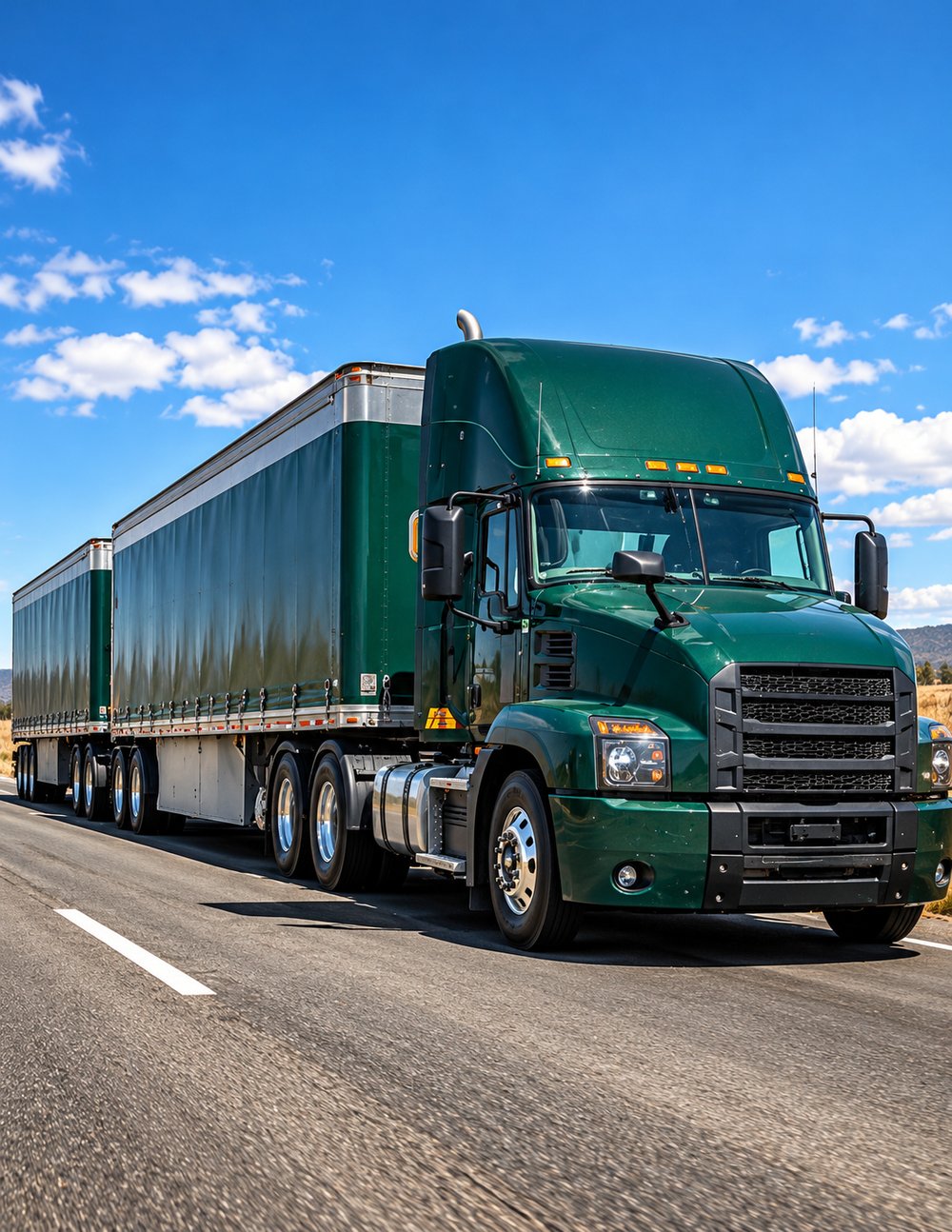
Green road train on an open highway

Low doc doesn't mean no checks

One of the biggest misconceptions about low doc finance is that the lender doesn't assess the business.

They do.

The difference is usually in the type and amount of financial information required.

Instead of asking for a full set of financial statements and tax returns in every case, a lender may be prepared to assess the application using alternative information.

The exact requirements vary between lenders. TAFS helps determine which documentation pathway is appropriate before the application is submitted.

That can include:

  • Recent business bank statements
  • BAS information
  • Accountant confirmation
  • Declared turnover
  • Existing finance conduct
  • ABN and GST history
  • Credit profile
  • Asset details

Who can qualify for low doc truck finance?

Low doc finance is generally more suited to established businesses that can demonstrate a track record even if their most recent financial statements are not readily available.

Eligibility can depend on factors such as:

  • How long the ABN has been active
  • GST registration history
  • Business turnover
  • Credit profile
  • Existing asset finance conduct
  • Truck age
  • Purchase price
  • Amount being financed
  • Deposit or trade-in
  • Overall strength of the application

Not every applicant will qualify for low doc finance. Where the application doesn't fit low doc criteria, a full-doc option may still be available.

  • 15,000+Assets Financed And Businesses Helped
  • $350M+Total Business Funding
  • 80+Lenders To Compare
  • 30+Years Of Business Experience
  • 93%Client Success Rate

Why businesses use low doc truck finance

There are several reasons a business may prefer a low doc application.

Low doc finance can reduce the amount of documentation required, but it still needs to make sense for the lender.

TAFS reviews the full application before recommending whether low doc or full doc is the better pathway.

You may:

  • Not have your latest financial statements completed
  • Be waiting on tax returns
  • Have strong business activity but limited current paperwork
  • Need to replace a truck quickly
  • Be purchasing an asset before year-end accounts are finalised
  • Prefer a simpler application process where eligible

What trucks can be financed under a low doc application?

Low doc finance may be available across a range of commercial trucks, subject to lender criteria. This can include:

  • Prime movers
  • Rigid trucks
  • Light trucks
  • Tipper trucks
  • Crane trucks
  • Refrigerated trucks
  • Tanker trucks
  • Tow trucks
  • Delivery trucks
  • Cab chassis trucks
  • New commercial trucks
  • Used commercial trucks

The type, age and value of the truck can influence which lenders will consider a reduced-documentation application.

Low doc finance for your first truck

A low doc application can sometimes be more difficult where the business has limited history or the truck is the first major commercial asset.

The lender has less information to rely on, so other parts of the application can become more important. That can include ABN age, GST history, industry experience, credit profile, bank statement conduct, deposit, truck age and value, and existing work.

If you're purchasing your first truck, TAFS can review whether low doc finance is realistic or whether another documentation pathway is more suitable.
Low doc truck finance for established businesses

Established businesses are often better suited to low doc finance because there is more trading history behind the application.

A business that has been operating for several years, has consistent turnover and a good credit history may be easier for a lender to assess using reduced documentation.

Existing finance conduct can also help. If the business has previously financed trucks or equipment and maintained those commitments well, that history can support the application.

TAFS can review the strength of the existing business before determining which lenders may be suitable.

ABN, GST and bank statements

Two things come up in almost every low doc conversation: how long the business has been registered, and whether bank statements are still required.

ABN and GST history matters

ABN age and GST registration can be important in low doc finance. Many lenders use these as indicators of how long the business has been operating.

A business with several years of ABN and GST history may have more low doc options than a newly registered business.

However, there is no single minimum period that applies across every lender. Some lenders have stricter criteria than others.

TAFS compares the application across different policies rather than assuming one lender's requirements apply to the whole market.

Do I still need bank statements?

Possibly. Low doc does not necessarily mean you can apply without any business financial information.

Some lenders may require recent bank statements so they can review business income, account conduct, existing repayments, cash flow, overdrawn activity and returned payments.

Other lenders may use different forms of verification. The exact requirement depends on the lender and application.

TAFS can explain what documentation will be required before the application progresses.

What if my financials aren't up to date?

This is one of the most common reasons businesses explore low doc finance.

You may have been trading strongly but not yet have your latest year-end financial statements or tax returns completed.

Depending on the lender, alternative information may be accepted.

If reduced-documentation options aren't available, the lender may require updated financials before proceeding.

TAFS can review what information you already have and determine the most practical pathway.

That could include:

  • Bank statements
  • BAS
  • Accountant confirmation
  • Business turnover declarations
  • Existing loan conduct

Low doc finance for used and new trucks

Reduced documentation applies to the borrower. The lender is still assessing the asset.

Low doc finance for used trucks

Low doc finance can potentially be used for a used truck. However, the lender is assessing both the borrower and the asset.

A newer used truck may have more lender options than a significantly older vehicle. For used trucks, lenders can consider age, kilometres, condition, purchase price, remaining working life and age at the end of the finance term.

Where both the borrower documentation and asset fall outside standard criteria, the lender pool may become narrower.

Low doc finance for new trucks

New trucks can also be financed through low doc options where the applicant meets lender requirements.

A new vehicle can give the lender clear information around the supplier, purchase price, vehicle details, expected working life and warranty.

The business still needs to satisfy the lender's low doc criteria.

Private sales, auctions and sole traders

A low doc application can combine with other factors that each need their own assessment.

Low doc finance and private sales

Low doc truck finance may be available where the truck is being purchased privately.

However, reduced financial documentation for the borrower does not remove the lender's requirements around the seller and vehicle. A private sale can still require seller verification, ownership checks, vehicle details, PPSR checks, a sale invoice and settlement instructions.

The lender needs to be comfortable with both the applicant and the transaction.

Low doc finance for auction trucks

Low doc finance may also be available for auction purchases, subject to lender criteria.

Auction purchases create additional timing pressure because the final truck needs to be approved after the winning bid.

If you're considering buying at auction, it helps to discuss finance beforehand. TAFS can review whether a low doc pathway is likely to be available before you bid. The final truck will still need to satisfy lender requirements.

Low doc finance for sole traders

Sole traders can potentially access low doc truck finance.

The lender may assess both the business activity and the individual behind it. Factors can include ABN history, GST registration, personal credit, business bank statements, existing finance, the truck being purchased and the amount being financed.

The available options will depend on the strength of the overall application.

Newer businesses, deposits and refinancing

Three questions that come up often once the documentation pathway has been discussed.

Low doc finance for newer businesses

Low doc finance can be more limited where the ABN is very new. The lender has less trading history to rely on and may require more documentation or a stronger deposit.

That doesn't necessarily mean a newer business cannot get truck finance. It may simply mean that low doc is not the best application pathway.

TAFS can review the application and determine whether a new ABN lender, full-doc lender or another option is more suitable.

Does a deposit help with low doc finance?

It can. A deposit reduces the amount the lender is being asked to finance and may strengthen some applications.

The amount required, if any, can depend on business history, credit profile, truck age, purchase price, documentation available and lender policy.

Some strong low doc applications may qualify without a large deposit. Others may need a contribution. TAFS can compare the available options before you decide how much cash to put into the purchase.

Can I refinance using low doc finance?

Potentially. Refinancing an existing truck can be considered depending on the lender, current loan, asset value and reason for refinancing.

The lender may still need enough information to understand the business and existing commitment.

Refinancing should also be assessed against the current payout, remaining loan term, new finance term, fees, asset value and overall benefit to the business. The fact that a low doc option is available does not automatically mean refinancing is the right decision.

When full doc finance may be better

Low doc finance isn't always the best option.

If your financial statements and tax returns are current and the business is strong, providing them may create more options.

The aim is not to use the least documentation possible. The aim is to use the application pathway that gives the business the most suitable finance options.

TAFS can compare both approaches before deciding how the application should be submitted.

A full-doc application may provide access to:

  • More lenders
  • Different pricing
  • Higher finance amounts
  • More flexibility for complex applications

What lenders look at

There is no single checklist every lender uses for low doc truck finance. Depending on the application, they can consider the following.

ABN history

How long the business has been operating can affect eligibility.

GST registration

GST history may form part of the lender's low doc criteria.

Credit profile

Personal and business credit history can have a significant influence on the application.

Bank statement conduct

Where bank statements are required, lenders can look at income, existing repayments and account conduct.

Existing finance

Previous truck and equipment finance history can help demonstrate repayment conduct.

The truck

Age, condition, purchase price and expected working life can affect lender appetite.

Deposit

A contribution can strengthen some applications.

Amount being financed

Lenders may have different low doc limits depending on the applicant and transaction.

Declared turnover

Where financial statements aren't available, some lenders will assess declared business turnover instead.

Why lender selection matters with low doc finance

Low doc policies vary significantly between lenders.

One lender may require two years of ABN history, GST registration and bank statements. Another may have different requirements.

The amount being borrowed, asset type and credit profile can also affect which low doc policies are available.

This is why a low doc application should not simply be sent to whichever lender appears first. TAFS reviews the borrower, asset and available documentation before selecting lenders.

Low doc criteria can differ on:

  • ABN trading history required
  • GST registration
  • Bank statement requirements
  • The amount being borrowed
  • Asset type and age
  • Credit profile
Recent TAFS deal

A recent TAFS low doc truck deal

A TAFS client needed to finance a commercial truck but did not have a complete set of up-to-date financial statements available.

The business had an established trading history and existing commercial activity, so TAFS reviewed the information that was available and considered whether a reduced-documentation finance pathway was suitable.

Rather than treating the absence of current financial statements as the end of the application, TAFS matched the transaction with a lender whose low doc requirements suited the business and truck purchase.

The truck finance was successfully settled, allowing the business to acquire the asset without waiting for a complete set of year-end financials.

Deals like this show what low doc finance is designed for. It does not mean no documentation. It means finding a lender willing to assess an established business using an alternative set of supporting information.

  • Low doc finance
  • Commercial truck
  • Reduced documentation
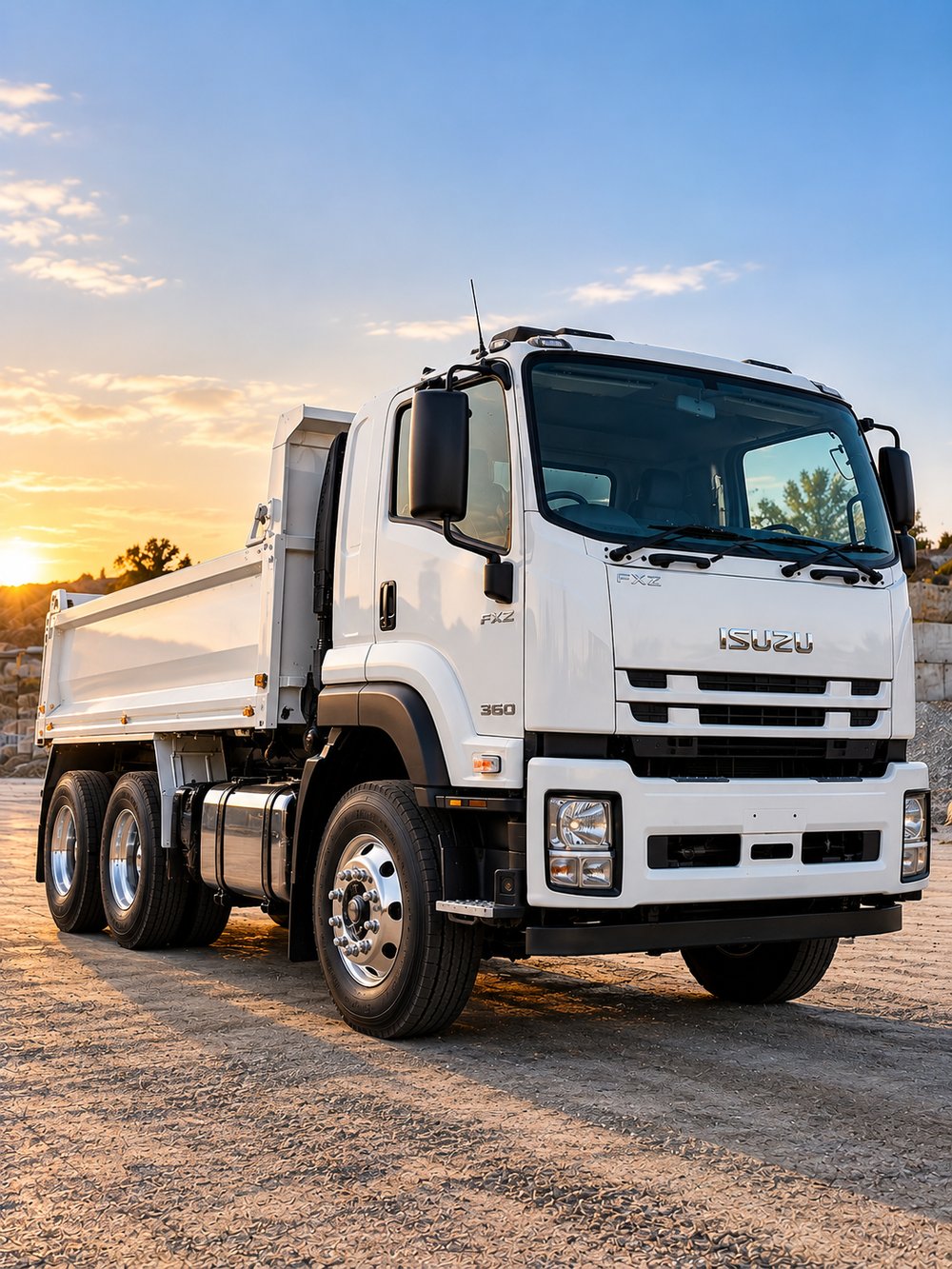
Isuzu tipper at golden hour
Why TAFS

Why businesses use TAFS for low doc truck finance

80+ Lenders

We have access to a broad panel of banks and specialist commercial lenders with different documentation requirements.

Internal credit team

We review the application before submission so we can determine whether a low doc or full-doc pathway is more appropriate.

93% Client success rate

We focus on matching each application with lenders suited to the transaction and presenting it properly from the beginning.

Commercial asset finance specialists

Our team works with businesses purchasing trucks, trailers, machinery and equipment every day. We understand that businesses do not always have a complete set of up-to-date financial statements ready when an asset needs to be purchased.

Trusted lender partners:

Azora Banjo Bizcap Branded Financial Capify CFI Finance Dynamoney Finance One Grenke Judo Bank Lumi MoneyMe
The TAFS Process

How low doc truck finance works with TAFS

  • Step 1

    Tell us about your business and truck

    Send us the truck details, purchase price and some information about your business. Let us know what financial information you currently have available.

  • Step 2

    We review the application

    Our team looks at your ABN history, GST registration, credit profile, existing commitments, truck and documentation.

  • Step 3

    We identify suitable documentation pathways

    We compare lenders across our panel and determine whether a low doc application is available or whether another finance pathway may provide better options.

  • Step 4

    We manage approval and settlement

    Once you've selected an option, we work through the lender's remaining requirements and documentation to get the truck settled.

FAQ

Low Doc Truck Finance FAQs

We don't just send applications out. We structure them properly from the start.

  • What is low doc truck finance?

    Low doc truck finance is commercial finance where eligible businesses may be able to apply without providing the same level of financial documentation required under a traditional full-doc application. The lender will still assess the business, applicant and truck.

  • Does low doc mean no financial documents?

    No. Low doc generally means reduced documentation, not no documentation. Depending on the lender, you may still need to provide bank statements, BAS, accountant confirmation or other business information.

  • How long does my ABN need to be active?

    There is no single requirement across every lender. ABN and GST history can influence low doc eligibility, and different lenders apply different minimum trading periods.

  • Do I need to be GST registered?

    Some lenders require GST registration for their low doc products. Others may assess applications differently. TAFS can identify which lender criteria are relevant to your business.

  • Do I need bank statements for low doc truck finance?

    Possibly. Some lenders use bank statements as an alternative way to assess business income and account conduct. The documentation required depends on the lender.

  • Can I get low doc finance if my financials aren't up to date?

    Potentially. This is one reason businesses use low doc finance. Alternative information may be accepted depending on the lender and strength of the application.

  • Can I finance a used truck with low doc finance?

    Potentially. The lender will assess the truck's age, condition, value and remaining working life as well as the borrower.

    Used Truck Finance →
  • Can I finance a new truck with low doc finance?

    Potentially. New trucks can be considered under low doc options where the business meets lender requirements.

    New Truck Finance →
  • Can I finance a privately purchased truck using low doc?

    Potentially. The borrower may qualify for reduced financial documentation, but the lender will still require appropriate private-sale seller and vehicle checks.

    Private Sale Truck Finance →
  • Can I use low doc finance for an auction truck?

    Potentially. The business and vehicle will still need to meet lender criteria. It is best to discuss finance before bidding.

    Auction Truck Finance →
  • Can a sole trader get low doc truck finance?

    Potentially. Sole traders can be considered depending on ABN history, GST registration, credit profile, documentation and the truck being purchased.

    Sole Trader Truck Finance →
  • Can a new ABN get low doc truck finance?

    Options may be more limited. Very new businesses often have less history for the lender to assess, so a different finance pathway may be more suitable.

    New ABN Truck Finance →
  • Do I need a deposit for low doc truck finance?

    Not always. The amount required depends on the business, truck, documentation available and lender. A deposit can strengthen some applications.

  • Is low doc finance more expensive?

    Not necessarily in every case. Pricing depends on the lender, business profile, asset and overall risk assessment. The lowest-documentation option is not always the lowest-cost option, which is why comparing the available structures matters.

  • Can low doc finance be approved quickly?

    Straightforward applications can move quickly when the required information is available. Timing will depend on the lender, truck, purchase type and whether any additional documentation is required.

Ready to explore low doc truck finance?

Talk us about your business, the truck you're purchasing and what financial information you currently have available.

We'll review the application and determine whether a low doc pathway is suitable, then compare finance options across our lender panel.