
Trusted by 3000+ clients

Truck Fleet Finance

Finance your next stage of fleet growth with a team that understands commercial transport.

Adding two trucks, replacing several ageing vehicles or planning the next stage of your fleet, we'll structure the finance around your business, existing commitments and the assets you're purchasing.

TAFS works with transport operators and commercial businesses across Australia, with access to more than 80 lenders for truck fleet finance.

Truck Fleet Finance

Truck fleet finance for Australian businesses

Truck fleet finance is commercial asset finance used to purchase multiple trucks or manage ongoing vehicle replacement and expansion.

It can be used by transport businesses, logistics operators, construction companies, civil contractors, distributors and other businesses operating several commercial vehicles.

The finance might cover two trucks purchased together, a staged fleet expansion, replacement vehicles or a larger multi-asset acquisition.

The right structure depends on more than the value of the trucks. Existing vehicle finance, cash flow, turnover, current fleet size, trading history and how the additional vehicles will be used can all influence the options available.

TAFS reviews the overall position before approaching lenders so the finance can be structured around the business rather than treating every truck as a separate transaction. See the full range of truck finance options.

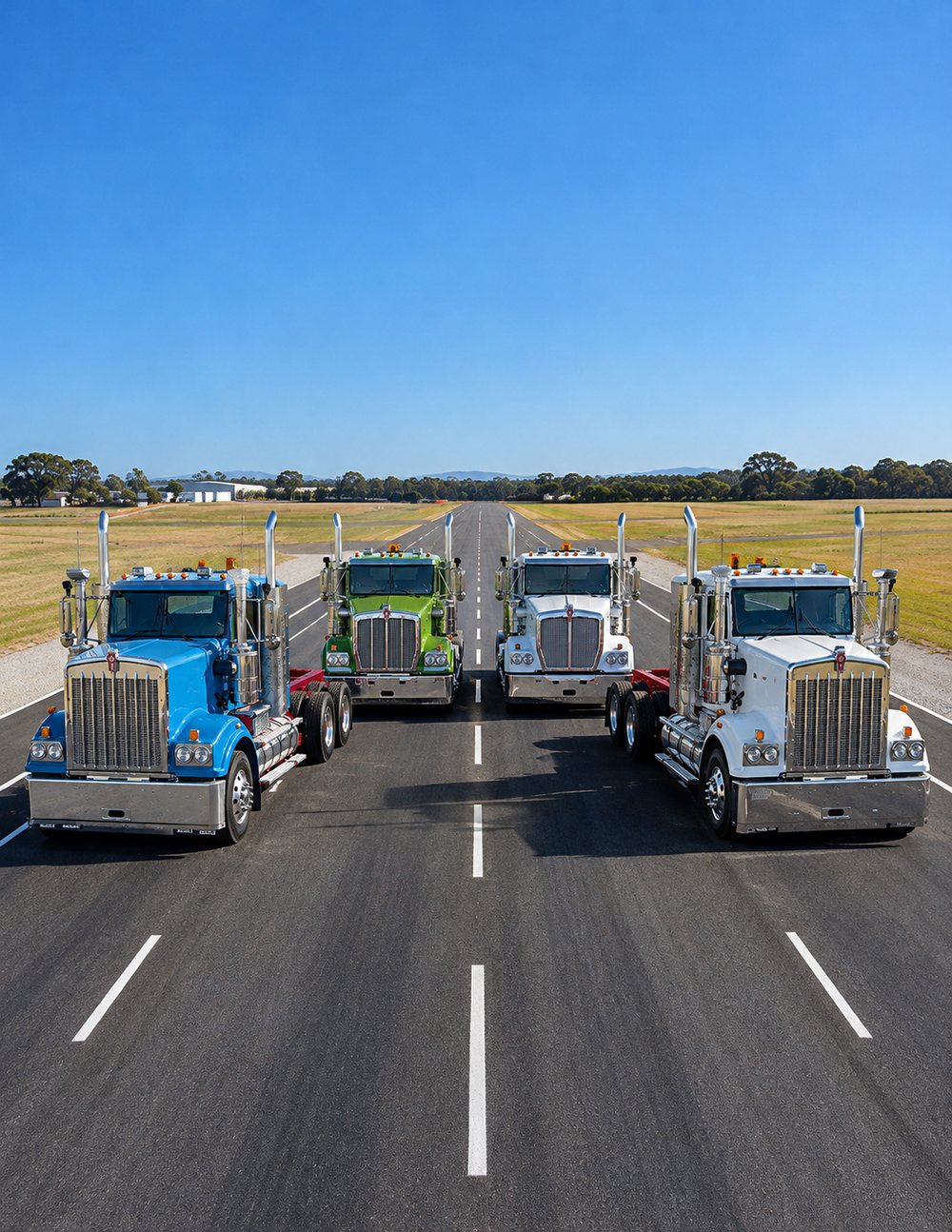
Line-up of Kenworth prime movers

Fleet finance is about the whole business, not just the next truck

Financing one commercial vehicle can be relatively straightforward.

Financing several vehicles at once requires a broader view.

A business replacing three older trucks can present differently from one purchasing three additional vehicles to service a new contract.

Both involve multiple trucks, but the commercial reason behind the purchase is different.

Our team works through those details before deciding how the application should be presented.

The lender may want to understand:

  • Your existing fleet
  • Current vehicle finance
  • Which trucks are being replaced
  • Which trucks are adding new capacity
  • Existing repayments
  • Business turnover and cash flow
  • Contracts or customer demand supporting the expansion
  • The value and type of vehicles being purchased

What trucks can be included in fleet finance?

Truck fleet finance can cover a wide range of commercial vehicles. This can include:

  • Prime movers
  • Rigid trucks
  • Light trucks
  • Tipper trucks
  • Crane trucks
  • Refrigerated trucks
  • Tanker trucks
  • Tow trucks
  • Delivery trucks
  • New trucks
  • Used trucks

A fleet doesn't need to consist of identical vehicles. Businesses often operate several truck types because different vehicles perform different roles.

For example, a transport business might finance prime movers alongside rigid trucks, while a civil contractor might operate tippers, crane trucks and light service vehicles. The overall finance structure can take the mix of assets into account.

  • 15,000+Assets Financed And Businesses Helped
  • $350M+Total Business Funding
  • 80+Lenders To Compare
  • 30+Years Of Business Experience
  • 93%Client Success Rate

Adding trucks to an existing fleet

Additional trucks can allow a business to increase capacity without relying as heavily on subcontractors or external transport.

The expansion may be driven by new customer contracts, higher freight volumes, additional delivery routes, expansion into another region, new project work, reduced subcontractor reliance, increased production or distribution, or general business growth.

The lender will still want to understand whether the additional repayments fit within the business. That doesn't mean the business needs to have already been operating the additional trucks.

The application can explain why they're being purchased, what work they'll perform and how that fits within the current operation. TAFS reviews the existing fleet and proposed expansion together when assessing the finance strategy.
Replacing ageing trucks

Fleet finance isn't only about expansion. For established operators, replacing older vehicles is part of keeping the business running efficiently.

An ageing truck can create higher maintenance costs, more downtime and less certainty around scheduling.

Replacing several vehicles over a planned period can help a business avoid reaching the point where a large portion of the fleet needs replacing at once.

When a truck being purchased is replacing an existing vehicle, we can look at any finance still owing on the old truck, expected trade-in or sale proceeds, the value of the replacement, changes in repayments, the age profile of the wider fleet and whether other replacements are planned. The goal is to understand the complete transaction rather than only the price of the new vehicle.

Financing several trucks at once, or in stages

Businesses don't always purchase vehicles one at a time. You might be buying two trucks from one dealer, several from different suppliers, or an entire group as part of a fleet expansion.

Larger transactions involve more documentation, and the lender looks more closely at how the additional debt fits within the business. TAFS can review the complete purchase and determine whether one lender suits the whole transaction or different assets are better placed separately.

Sometimes the trucks aren't all needed immediately. Where vehicles are being added progressively over the next six or twelve months, planning ahead makes it easier to see how each purchase fits into the wider fleet.

A staged approach can involve reviewing:

  • Current borrowing capacity
  • Expected purchase timing
  • Vehicles being added or replaced
  • Upcoming contracts
  • Future cash flow
  • Existing finance maturities

Working around an established fleet

Established operators rarely start from a clean sheet. Existing loans, a mix of vehicle ages and different asset types all shape how the next purchase is structured.

Managing existing truck finance

Businesses with established fleets can already have several vehicle loans in place. When another purchase comes up, those commitments form part of the lender's assessment.

Existing finance doesn't automatically prevent further borrowing. The important question is how the current repayments, remaining balances and new finance fit within the overall business.

This can be particularly useful where some trucks are being retained, some are being replaced and others are being added.

New and used in the same fleet

A fleet doesn't need to consist entirely of new vehicles. Many businesses operate a mix of new and used trucks depending on the job each vehicle needs to perform.

When used trucks are included, lenders can consider age, kilometres, condition, purchase price, vehicle type, remaining useful life and the proposed finance term.

Where several trucks are being financed together, each vehicle may need to satisfy the lender's asset requirements.

Different trucks, different lenders

One lender isn't always the best fit for every asset in a fleet. A lender comfortable financing a new prime mover may have different policies around an older tipper, specialised tanker or high-kilometre rigid truck.

TAFS has access to more than 80 lenders, allowing us to assess whether the fleet should be financed through one lender or whether different vehicles are better matched with different finance providers.

The aim is to build the structure around the transaction rather than forcing every asset into the same lending policy.

Dealer, private sale and auction fleet purchases

Fleet vehicles can come from several different sources.

Dealer purchases

A business may purchase multiple trucks from one dealer or several dealerships.

Dealer transactions usually come with established supplier documentation, which can help simplify settlement.

Private sale purchases

Fleet expansion can also involve purchasing trucks directly from other businesses.

Private sales may require additional checks around the seller, ownership and vehicle before settlement.

Auction purchases

Businesses can also build or replace parts of a fleet through commercial vehicle auctions.

Where several vehicles are being considered, it can help to understand the finance position before bidding. Final approval will still depend on each vehicle meeting lender requirements.

What lenders look at

There is no single checklist every lender uses when assessing truck fleet finance. For larger or multi-vehicle transactions, lenders can look at the business from several angles.

Trading history

How long the business has operated and its track record can influence the available options.

Turnover and cash flow

The lender can review whether the business can support existing commitments and the proposed new repayments.

Existing fleet

The size, age and composition of the current fleet can help explain the business's operations and replacement needs.

Existing debt

Vehicle loans, equipment finance and other business commitments form part of the broader assessment.

The trucks being purchased

The make, model, age, condition and value of each truck can influence lender appetite.

Purpose of the expansion

Lenders may want to understand whether the trucks are replacing existing assets, adding capacity or supporting new work.

Industry experience

Transport and commercial operating experience can help support the application, particularly where the business is expanding quickly.

Credit profile

Business and personal credit history can form part of the assessment.

Deposits and trade-ins

A cash contribution isn't always required, although deposits and trade-ins can affect the structure of the transaction.

Planning fleet purchases around cash flow

Buying several trucks can create a significant increase in monthly finance commitments, so fleet finance isn't only about whether a lender will approve the purchase. The structure also needs to make sense for the business.

Purchasing outright places pressure on cash reserves. Finance can let the business acquire working assets while retaining cash for fuel, wages, repairs and maintenance, insurance, registration, subcontractors and new contracts.

That doesn't mean the maximum amount of finance is always the right choice. The appropriate deposit and structure depend on the business's cash position, the vehicles and the lender.

TAFS can compare the available options before you decide how much capital to contribute to the purchase.

Structuring can involve considering:

  • Existing repayments
  • Vehicle replacement timing
  • Deposits
  • Trade-ins
  • Finance terms
  • Residual or balloon structures where available
  • Seasonal cash flow
  • Upcoming contracts or projects
Recent TAFS deal

A recent TAFS truck fleet deal

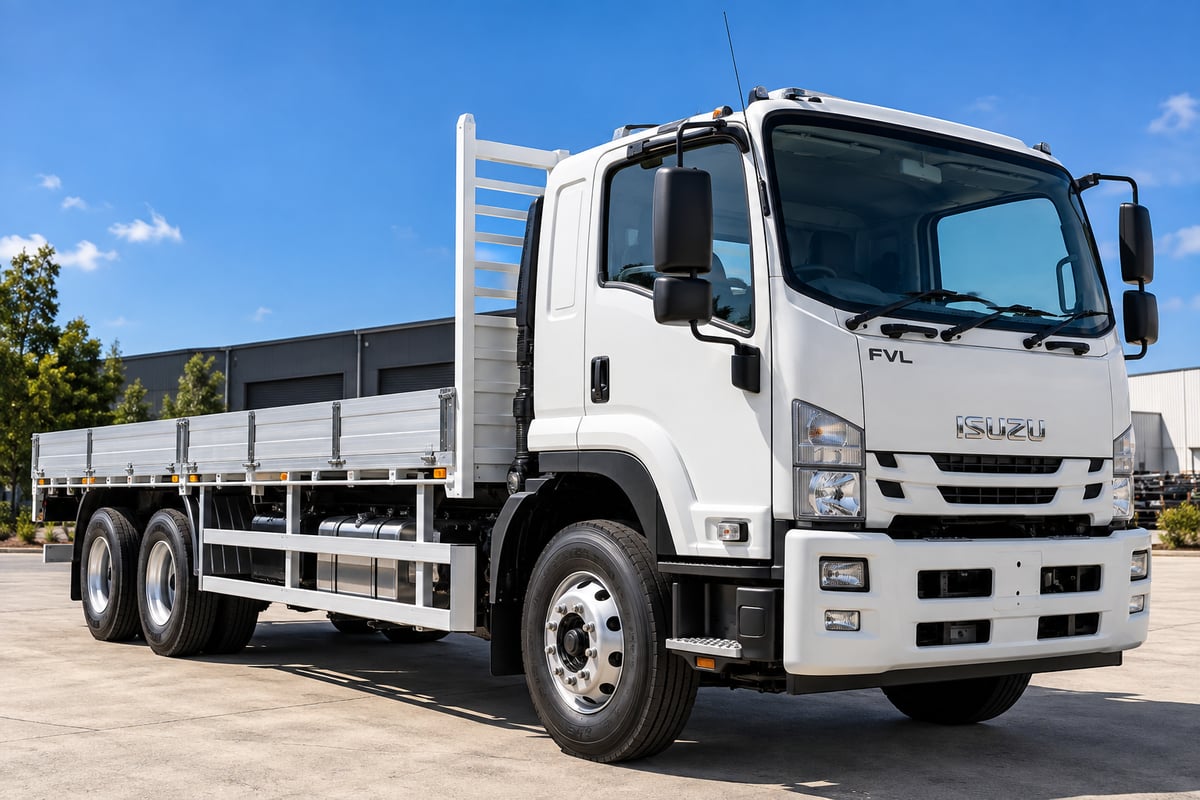
TAFS recently helped finance two new 2026 Isuzu FVL trucks as part of a $500,000 fleet purchase.

With multiple commercial vehicles being acquired at the same time, the transaction needed to be considered as a broader fleet purchase rather than two isolated truck loans.

TAFS reviewed the vehicles and the overall transaction, then structured the finance across lenders suited to the purchase.

Both trucks were successfully settled, giving the business two new vehicles to add to its commercial fleet.

Deals like this are a good example of why fleet finance is about more than simply financing the next truck. When several vehicles are being purchased together, the overall transaction, existing commitments and lender fit can all influence how the finance is structured.

  • 2 × 2026 Isuzu FVL trucks
  • $500,000 fleet purchase
  • Multi-truck finance
White Isuzu FVL flatbed truck financed by TAFS
Why TAFS

Why businesses use TAFS for truck fleet finance

80+ Lenders

We have access to a broad panel of banks and specialist commercial lenders, giving us more options when a transaction involves multiple trucks or different asset types.

Internal credit team

Applications are reviewed before they're submitted so lenders receive a clear picture of the business, current fleet, existing commitments and proposed purchases.

93% Client success rate

We focus on matching applications with lenders suited to the transaction and presenting them properly from the beginning.

Commercial asset finance specialists

Our team works with businesses purchasing trucks, trailers, machinery and commercial equipment every day. For fleet transactions, we look beyond an individual vehicle to understand how the proposed finance fits within the wider business.

Trusted lender partners:

Azora Banjo Bizcap Branded Financial Capify CFI Finance Dynamoney Finance One Grenke Judo Bank Lumi MoneyMe
The TAFS Process

How truck fleet finance works with TAFS

  • Step 1

    Tell us what you're planning

    Let us know which trucks you're purchasing, replacing or considering over the coming months. We'll also ask about your current fleet and existing finance.

  • Step 2

    We review the business and fleet

    Our team looks at the proposed vehicles, existing commitments, business profile and the reason behind the purchase.

  • Step 3

    We compare suitable finance options

    We assess the transaction against lenders from our panel and determine whether the trucks are best financed together or through different structures.

  • Step 4

    We manage approval and settlement

    Once you've selected an option, we work through the lender requirements and coordinate documentation and settlement.

FAQ

Truck Fleet Finance FAQs

We don't just send applications out. We structure them properly from the start.

  • Can I finance multiple trucks at the same time?

    Yes. Businesses can apply to finance multiple trucks as part of the same fleet expansion or replacement program. The lender will assess the total transaction alongside the business's existing commitments and ability to support the proposed finance.

  • Is there a minimum number of trucks required for fleet finance?

    Not necessarily. A business purchasing two vehicles can still have a fleet finance requirement. The appropriate structure depends more on the transaction and business than on reaching a specific number of trucks.

  • Can I finance different types of trucks together?

    Potentially. A fleet can include prime movers, rigid trucks, tippers, refrigerated trucks and other commercial vehicles. Whether they are financed through one facility or separately will depend on the assets, lender and business.

  • Can I finance both new and used trucks?

    Yes. A fleet purchase can include new and used vehicles. Each used truck will still need to meet the relevant lender's asset requirements.

    New Truck Finance → Used Truck Finance →
  • Can I replace trucks that still have finance owing?

    Potentially. If an existing truck still has finance outstanding, the balance and expected sale or trade-in value need to be considered as part of the replacement transaction. TAFS can review the current finance before structuring the new purchase.

  • Can I trade in existing trucks as part of fleet finance?

    Yes. Trade-in proceeds can be used as part of the transaction. Where finance is still owing on the vehicle being traded, the payout needs to be considered alongside the trade-in value.

  • Can I finance trucks from different dealers?

    Yes. Multiple-vehicle purchases can involve different suppliers. Each truck and supplier will need to satisfy lender requirements before settlement.

  • Can I include private-sale trucks in a fleet purchase?

    Potentially. Private-sale vehicles may require additional seller, ownership and asset checks.

    Private Sale Truck Finance →
  • Can I finance trucks purchased at auction?

    Potentially, subject to lender approval. If you're planning to purchase several trucks at auction, discussing finance before bidding can help you understand your likely position and the settlement requirements.

    Auction Truck Finance →
  • Do I need a deposit for fleet finance?

    Not in every case. The amount of equity required depends on the business, the size of the transaction, the vehicles and the lender. Some transactions may qualify for full purchase-price finance, while others may benefit from deposits or trade-ins.

  • Can I get approval for future fleet purchases?

    Depending on the business and lender, it may be possible to plan finance around upcoming purchases. The exact vehicle and transaction will generally still need to meet lender requirements before settlement.

  • Can a growing business finance a larger fleet?

    Potentially. Rapid growth can create strong demand for additional vehicles, but lenders will still want to understand how the increased repayments fit within the business. Trading history, cash flow, contracts, industry experience and existing commitments can all become important.

  • Can you refinance existing fleet debt?

    Refinancing may be possible depending on the existing facilities, assets and business. The benefit of refinancing needs to be considered alongside payout costs, remaining terms and the proposed new structure.

    Truck Loan Refinancing →
  • How quickly can fleet finance be approved?

    Timing depends on the size and complexity of the transaction. A straightforward two-truck purchase can require less information than financing a large group of vehicles across several suppliers. Providing a clear fleet list, existing finance details and purchase information early can help keep the assessment moving.

Ready to finance your next fleet purchase?

Whether you're replacing two trucks, expanding an established fleet or planning several purchases over the coming year, we'll look at the complete picture.


Tell us what you're buying, what you already operate and what the next stage of growth looks like.