
Standard trailer finance
A standard application may involve business financial statements, BAS records, bank statements, existing finance details, business trading history and a trailer quote or invoice.
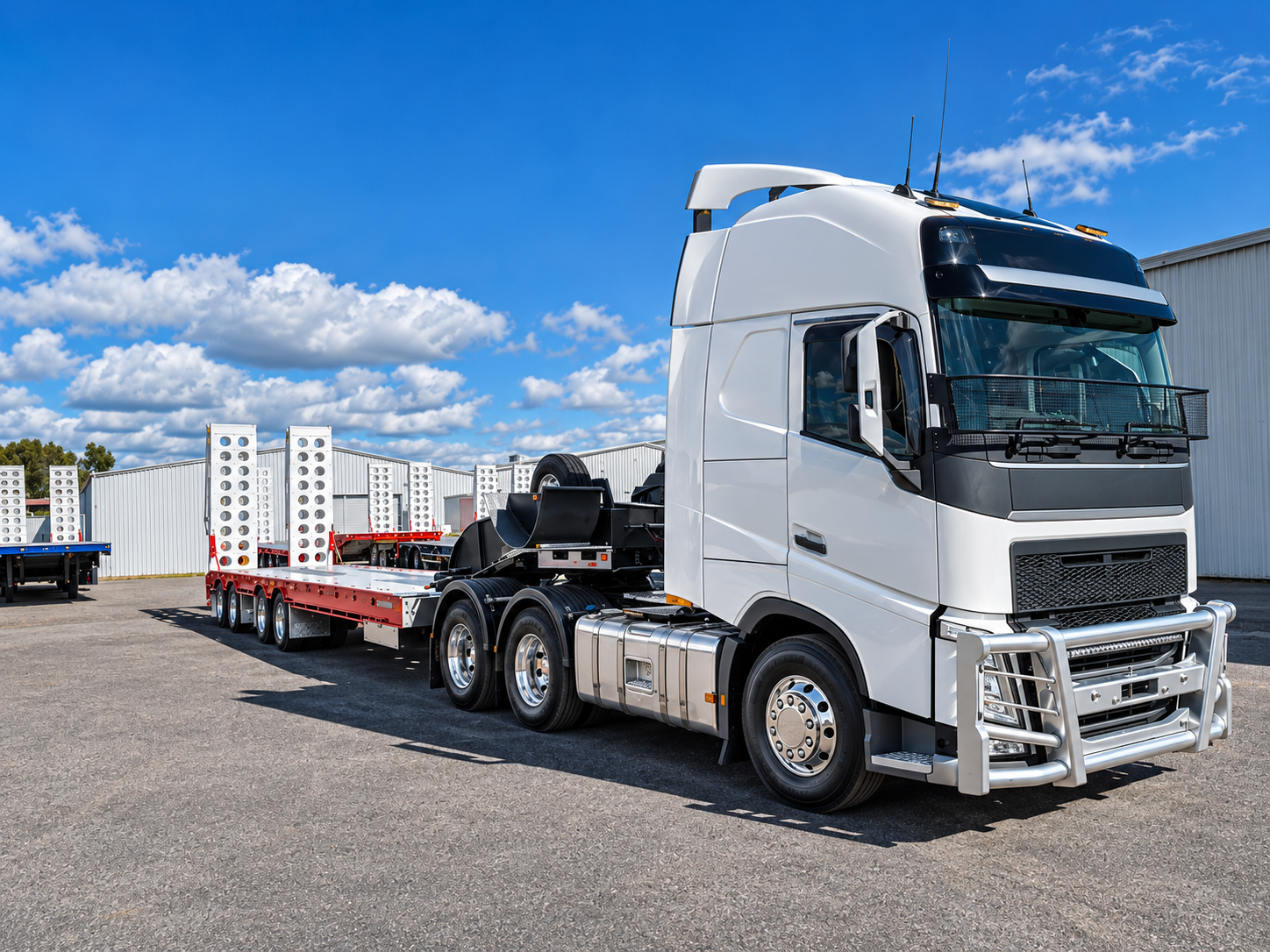
Need trailer finance without the full financial paperwork?
Not every commercial trailer purchase needs to involve years of financial statements. If you're an established transport operator, owner-driver or business owner looking to purchase a trailer, TAFS can help you explore finance options with reduced documentation where eligible.
With access to more than 80 lenders, our team reviews your business, the trailer and your financial position to find suitable commercial finance options.
Low doc trailer finance is commercial asset finance that may allow eligible businesses to purchase a trailer without providing the full financial documentation normally required under a standard lending application.
Depending on the lender, this may mean fewer financial statements, BAS records or other supporting documents.
However, low doc finance doesn't mean the lender carries out no financial assessment. Lenders still consider whether the business can afford the repayments and whether the trailer meets their asset requirements.
TAFS reviews the applicant's trading history, credit profile, existing commitments and proposed trailer before identifying suitable lenders. See the full range of commercial trailer finance options.
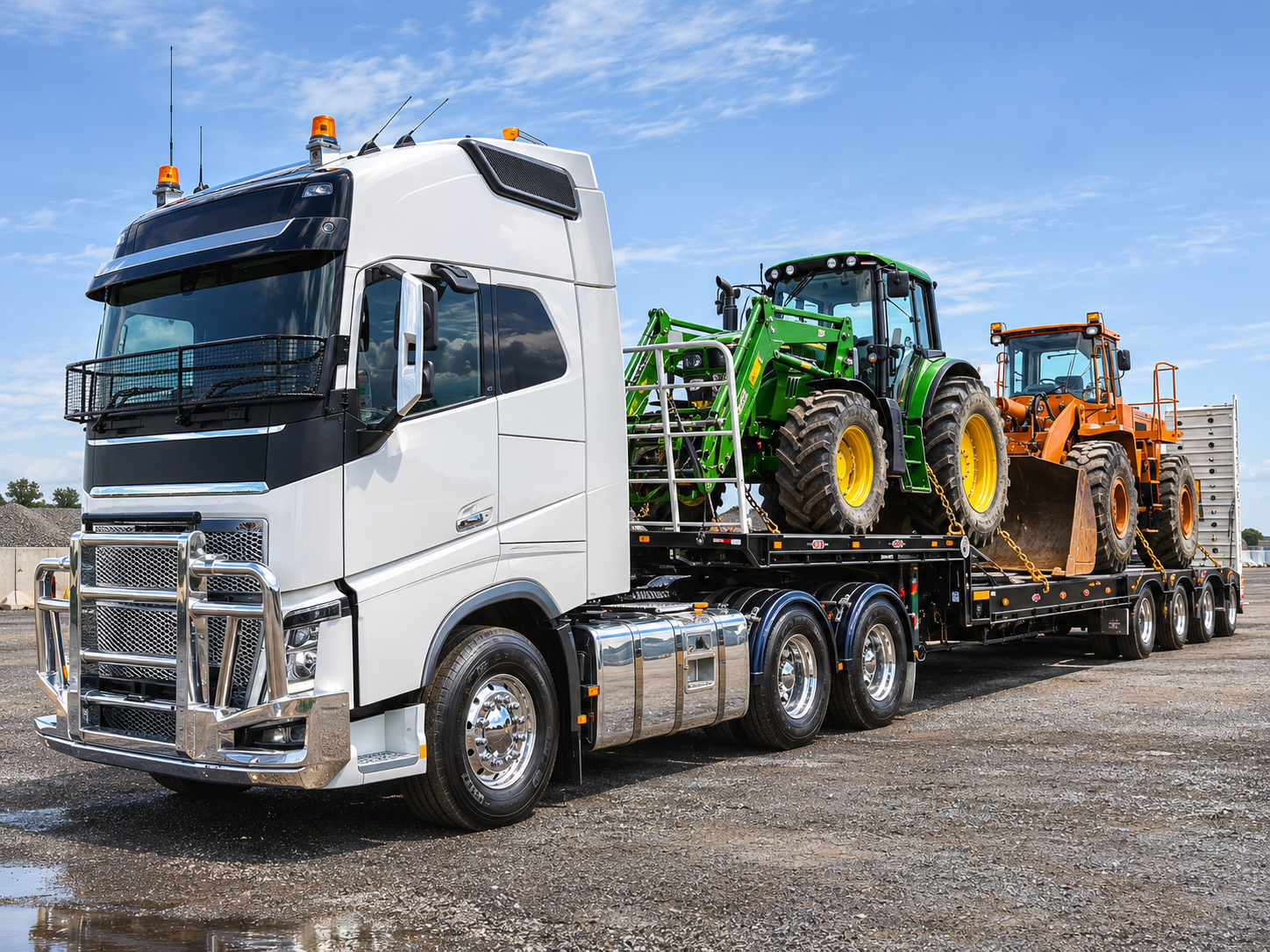
Low doc trailer finance is a reduced-documentation approach to commercial asset finance.
It is designed for eligible businesses that may not need, or may not have readily available, the full set of financial documents required under a standard application.
The specific documents requested can differ between lenders.
Some may rely more heavily on business history, credit profile and other application information. Others may still require bank statements, BAS or additional evidence depending on the amount being financed.
Low doc is not a separate type of trailer. It describes the documentation approach used to assess the finance application.
The main difference is the supporting financial information provided during the application.
A standard application may involve business financial statements, BAS records, bank statements, existing finance details, business trading history and a trailer quote or invoice.
An eligible low doc application may require fewer financial documents.
Instead, the lender may place greater emphasis on ABN history, GST registration, credit profile, business ownership, existing assets, current finance commitments, purchase price, trailer specifications and applicant declarations.
The lender will determine which assessment pathway is available. TAFS can review the circumstances and explain whether a reduced-documentation option may be suitable.
The important consideration is the applicant's eligibility rather than the industry alone.
Some lenders prefer established businesses with a longer trading history and a satisfactory credit profile.
Other factors, such as the trailer's age and purchase value, may also influence the available options.
Low doc trailer finance may be suitable for eligible commercial borrowers, including:
TAFS can assess reduced-documentation finance for a range of commercial trailers, subject to lender requirements. This can include:
The specific trailer matters because lenders may have asset restrictions under their low doc policies.
An established transport company may have been operating for several years but prefer not to prepare a full set of financial statements for every trailer purchase. Where the business meets the relevant lender's criteria, low doc finance may provide an alternative application pathway.
The lender may consider ABN registration history, the existing fleet, credit profile, previous finance conduct, trailer purchase price and existing commitments.
TAFS can review the business and determine whether a low doc application is appropriate.
Owner-drivers often operate busy transport businesses with limited time for administration. You may already own a prime mover and want to purchase a trailer without preparing a full financial package.
Depending on your business history and financial position, reduced-documentation options may be available. Lenders can consider how long you've been operating, your existing prime mover, credit history, current finance commitments, trailer age and value, and available deposit.
TAFS can review the application and identify suitable lenders.
Potentially. Sole traders may qualify for reduced-documentation commercial asset finance where they meet lender requirements.
The lender may assess the individual's credit profile and financial commitments alongside the business.
Relevant factors can include ABN history, GST registration, industry experience, existing finance, trailer purchase price and deposit.
It can. Many low doc lending options rely on the business having an established operating history. Some lenders apply minimum ABN age requirements. Others assess the trading history alongside additional factors.
A business with several years of history and a satisfactory credit profile may have more reduced-documentation options than a recently registered business.
TAFS can review your ABN history when identifying potential lenders.
Potentially, although the available options may be limited. A newly registered business may not meet the minimum trading-history requirements of some low doc lenders. In that situation, a different application pathway may be more appropriate.
The lender may consider previous industry experience, personal credit profile, deposit, existing work, financial evidence, and trailer age and value.
It can. Some lenders consider GST registration as part of their reduced-documentation eligibility criteria. Others may assess the business using a different combination of information.
The relevant requirements depend on the lender.
TAFS can review your ABN and GST history before determining which finance options may be available.
Potentially. Some eligible commercial borrowers may obtain trailer finance without providing a complete set of financial statements.
However, the lender may still request other information to assess affordability and creditworthiness. This can include bank statements, BAS, existing finance details, business information, income declarations or other supporting documents.
The exact requirements depend on the lender and transaction.
Potentially. Not every lender requires BAS for every commercial trailer finance application. Eligibility can depend on business history, credit profile, finance amount and asset details.
Where BAS is unavailable or not required under a particular lending product, the lender may use other information.
TAFS can assess which documentation pathway suits the application.
Some do. Low doc finance doesn't automatically mean no bank statements are required. Different lenders have different policies.
A lender may request bank statements to review business cash flow, existing repayments, account conduct, financial commitments and general affordability.
Other eligible applications may be assessed using different documentation.
Some businesses have been operating successfully but haven't finalised their most recent financial statements. This may happen because of accounting delays, recent business restructuring or administrative priorities.
Depending on the lender, reduced-documentation finance may still be worth exploring.
TAFS can review the available information and determine whether a low doc or standard application is more appropriate.
Not necessarily. Low doc finance involves fewer documents in some circumstances, but it doesn't automatically mean the lender has easier approval criteria.
Some reduced-documentation products have stricter requirements around ABN history, credit profile, maximum finance amount, asset age, deposit and existing financial commitments.
The right option depends on the applicant and transaction. TAFS reviews these factors before recommending an application pathway.
Not necessarily. The interest rate available can depend on the lender, business, trailer and overall application.
Some low doc products may have different pricing or conditions from standard documentation options. However, it isn't accurate to assume every low doc facility will have a higher rate.
TAFS can compare suitable finance options and explain the relevant terms.
An established transport operator may want to purchase another semi trailer without preparing a full set of financial statements. The lender can consider the business's trading history, credit profile and the trailer itself.
Relevant trailer information may include the manufacturer, build year, purchase price, configuration and intended use.
Flat tops and drop decks are commonly used across freight, construction and machinery transport. Eligible businesses may be able to access reduced-documentation finance when purchasing these trailers.
The lender may consider trailer age, condition, purchase value, business history and existing commitments.
Low loaders can be high-value, specialised assets. A lender may need more information about the trailer's configuration and intended use, such as the axle setup, deck dimensions, loading ramps, rated capacities, purchase price and manufacturer.
Reduced financial documentation does not remove the need for a lender to understand the asset.
Tipping trailers are used across civil, construction, quarrying and bulk haulage. Eligible businesses may be able to finance these assets using a reduced-documentation application.
The lender may still assess body condition, trailer age, hydraulic systems, axle configuration and purchase price.
Dog trailers are commonly used alongside tipper trucks and other commercial vehicle combinations.
The lender may consider the trailer together with the wider operation. Relevant factors may include the towing vehicle, existing commitments and intended commercial use.
A refrigerated trailer includes both the trailer body and the refrigeration system. Where a business applies for low doc finance, the lender may still need detailed asset information.
This can include trailer age, refrigeration-unit age, condition, purchase price and intended use.
Tanker trailers can be specialised commercial assets. The lender may require information about the tank material, capacity, configuration, previous use, ancillary equipment and purchase price.
Low doc eligibility will depend on the lender, applicant and complete asset.
An eligible business may be able to finance a brand-new trailer using a reduced-documentation application. New trailers generally provide clear manufacturer specifications and purchase documentation.
The lender will still assess business eligibility, purchase price, finance amount, credit profile and deposit requirements. For custom-built trailers, additional manufacturer and build documentation may be needed.
Used trailers can have additional lender considerations, including asset age, condition, remaining working life, purchase price and manufacturer.
Some lenders may apply stricter asset-age requirements under reduced-documentation policies. An older trailer may therefore require a different lender or application structure.
Potentially. However, not every low doc lender accepts older commercial assets.
The lender may assess the trailer's current age and expected age at the end of the finance term. For some older trailers, a standard documentation application may provide more suitable options.
TAFS can review the asset before determining the appropriate approach.
Eligible businesses may be able to purchase trailers directly from private individuals or other businesses using low doc finance. However, private-sale transactions have separate documentation requirements.
The lender may need to verify the seller's identity, trailer ownership, VIN or chassis details, existing security interests, the purchase agreement and settlement instructions.
Reduced financial documentation doesn't remove these checks.
Some businesses want to arrange finance before bidding on a commercial trailer. Low doc options may be available to eligible applicants, depending on the lender and asset.
The business should understand its likely finance position before the auction. Final approval may still depend on the winning purchase price, trailer age, asset identification, auction invoice and lender requirements.
You don't need to purchase a truck at the same time. If the business already owns or finances a suitable prime mover, the trailer may be financed as a separate asset.
The lender may still assess existing truck finance and other business commitments.
TAFS can review the trailer purchase alongside the wider fleet position.
An established transport operator may want to purchase a truck and trailer at the same time. Whether reduced-documentation finance is available for both assets depends on the lender and transaction.
The lender may consider the combined purchase value, asset ages, business history, credit profile, existing commitments and deposit. The two assets may be financed together or separately.
Potentially. A business may need several trailers for fleet expansion or replacement. However, lenders may apply limits to total exposure or the amount that can be financed under reduced-documentation products.
The lender may assess the total finance amount, existing fleet, current commitments, business history, credit profile and each trailer.
TAFS can review the complete purchase and determine whether a low doc or standard application is more appropriate.
It can. A deposit reduces the amount being financed and may strengthen some applications.
Some lenders may apply deposit requirements depending on trading history, credit profile, trailer age, purchase value and the overall finance amount. Other eligible applications may qualify without a deposit.
TAFS can assess the proposed purchase and explain the available options.
Potentially. Some eligible businesses may qualify for finance covering the full purchase price.
However, full purchase-price finance is not available for every applicant or trailer.
The lender will consider the overall application, including business history, creditworthiness, asset details and finance amount.
Potentially. A transport or construction business may already have finance on trucks, trailers or machinery. Existing finance does not automatically prevent another application.
The lender can assess current repayments, outstanding commitments, business income, credit conduct and proposed new repayments.
TAFS can review the additional purchase in the context of the wider business.
The exact requirements depend on the business, trailer and lender.
Some applications may require fewer financial documents. However, lenders may request additional information following their initial assessment.
TAFS can explain the relevant requirements once the application has been reviewed.
Documents may include:
A business may not satisfy a particular lender's low doc criteria. That doesn't automatically mean standard trailer finance is unavailable.
A full documentation application may provide alternatives where the business can supply financial records. For example, a lender might be more comfortable assessing financial statements, BAS, bank statements, trading history, current commitments and asset details.
TAFS can review both reduced-documentation and standard application options where appropriate.
Previous credit problems can affect the availability of low doc finance. Some reduced-documentation products have more restrictive credit requirements.
The lender may consider the nature of the credit issue, when it occurred, whether it has been resolved, the current business position, deposit, and trailer age and value.
Where low doc criteria are not met, a different lender or documentation approach may be required.
There isn't one checklist every lender uses for reduced-documentation asset finance. Depending on the application, lenders may consider the following.
The length of time the business has operated may influence low doc eligibility.
Some lenders consider GST registration status as part of their criteria.
Personal and business credit history can be an important part of the assessment.
Current and previous repayment history may influence the available options.
Lenders must still be satisfied the proposed repayments are affordable.
The asset must meet lender requirements, including any age, value and condition policies.
The amount being financed may determine which low doc products are available.
A contribution may strengthen some applications or be required by a particular lender.
The lender may assess the new loan alongside existing business and personal commitments.
An established transport operator may need another commercial trailer to support existing freight work but not have their latest financial statements readily available.
Rather than assuming a full-documentation application is the only option, TAFS can review the business's trading history, credit profile, existing finance commitments and the trailer being purchased.
Depending on lender requirements, the business may qualify for a reduced-documentation application that does not require a complete set of financial statements.
The trailer's age, purchase price, configuration and commercial use still form part of the assessment.
TAFS can compare suitable lenders and determine whether a low doc or standard finance application offers the more appropriate pathway.
Situations like this show that low doc trailer finance isn't about skipping financial checks. It's about finding a documentation approach that suits an eligible business while still meeting the lender's requirements.
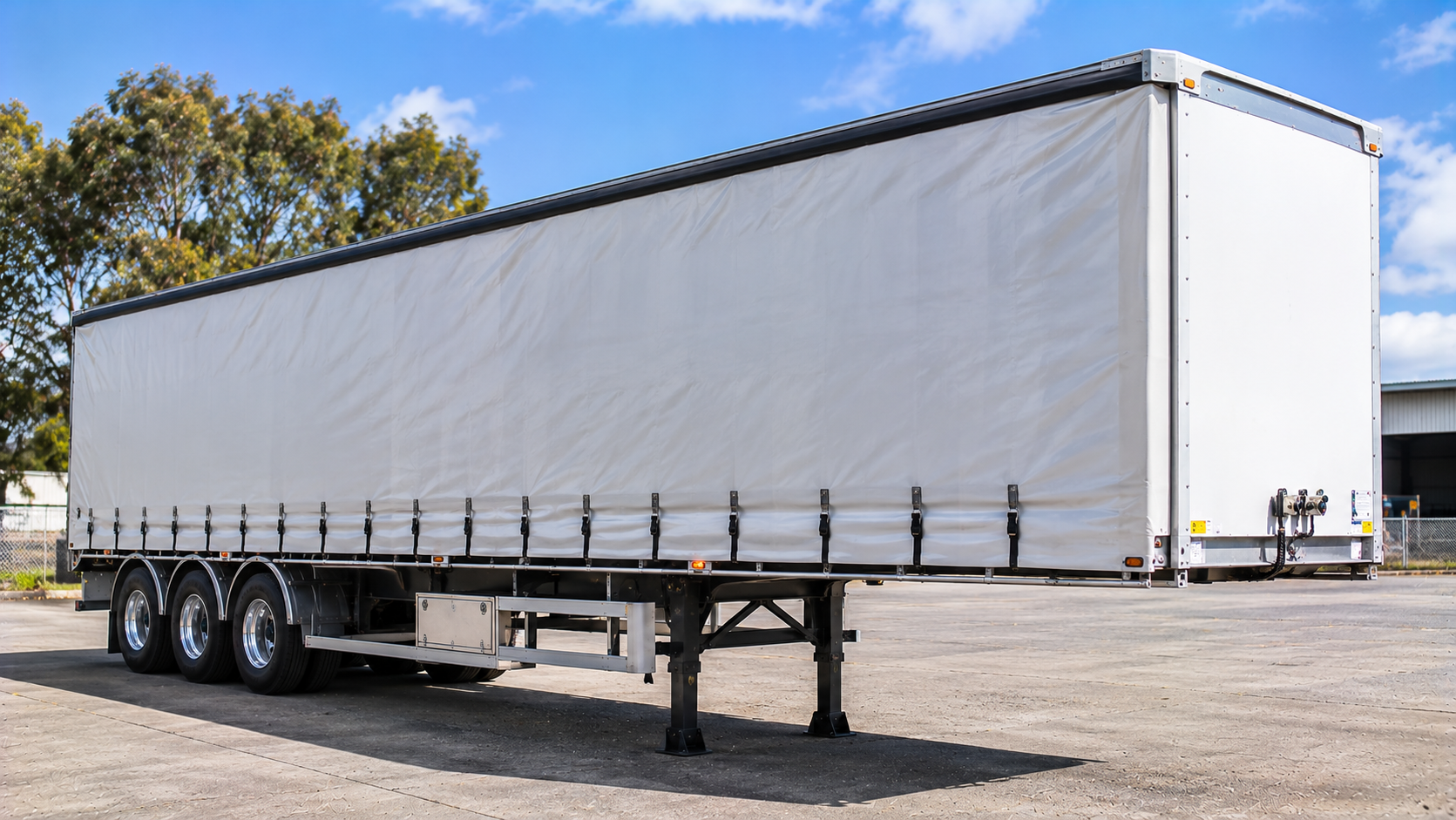
We have access to a broad panel of banks and non-bank commercial lenders with different approaches to trading history, documentation and asset finance.
Our team reviews the business, trailer and proposed transaction before approaching suitable lenders.
We work with Australian transport operators, civil contractors and other businesses purchasing trucks, trailers, machinery and commercial equipment.
Low doc finance isn't just about reducing paperwork. The lender still needs to be comfortable with the business and the asset being financed. TAFS can review both low doc and standard application options to determine which approach may suit your circumstances.
Trusted lender partners:


Share your ABN details, trading history, proposed trailer and purchase price.
Our team considers your credit profile, existing commitments, available financial information and the trailer.
We identify lenders whose reduced-documentation or standard application policies may suit the transaction.
If you proceed with an available finance option, we work through the lender's required documents, approval conditions and settlement.
We don't just send applications out. We structure them properly from the start.
Low doc trailer finance is commercial asset finance that may allow eligible businesses to purchase trailers with fewer financial documents than a standard application. The lender still assesses the business and asset.
Potentially. Some lenders offer reduced-documentation options for eligible businesses. Alternative financial information may still be required.
Potentially. BAS is not required by every lender for every application. Eligibility depends on the applicant and lender's documentation policies.
Some do. The exact requirements depend on the lender, business and finance amount.
There is no single minimum ABN age across every lender. Some low doc products require an established trading history. TAFS can review your eligibility.
Potentially, although many low doc options may be unavailable to very new businesses. A different application pathway may be more suitable.
New ABN Trailer Finance →Not every lender applies the same requirements. Some may require GST registration for particular low doc products.
Not necessarily. Reduced-documentation finance can have its own eligibility rules, including requirements relating to business age, credit history and asset value.
Not necessarily. Rates and terms depend on the lender, business and asset. Some low doc products may have different pricing from standard documentation options.
Potentially. Full purchase-price finance may be available to eligible applicants, subject to lender requirements.
Not always. A deposit may be required or may strengthen an application depending on the lender and transaction.
Potentially. The trailer's age, condition and purchase price will need to meet lender requirements.
Used Trailer Finance →Potentially. Older trailers may have fewer eligible lenders under reduced-documentation policies.
Potentially. Eligible businesses may be able to finance new commercial trailers using reduced documentation.
New Trailer Finance →Potentially. Private-sale transactions may require additional seller, ownership and asset checks.
Private Sale Trailer Finance →Potentially. The lender must still approve the final asset and auction transaction.
Auction Trailer Finance →Potentially. Sole traders may qualify where the business and applicant meet lender criteria.
Sole Trader Trailer Finance →Potentially, although adverse credit may limit reduced-documentation options. A different finance structure may be more suitable.
Bad Credit Trailer Finance →Potentially. The lender may consider the combined transaction, business history, total finance amount and asset details.
Prime Mover Finance →Potentially. The lender may assess the combined finance amount and existing commitments.
Finance terms depend on the lender, business and asset. The trailer's age and expected remaining working life can influence the available term.
Straightforward applications may progress quickly once the required information is available. Timing depends on the lender, applicant, trailer and any additional documents requested.
Explore commercial trailer finance options across the full TAFS range.
Finance for semi trailers used across freight and commercial transport.
Finance for flat top trailers used across freight, equipment and materials transport.
Finance for drop decks used across machinery and equipment transport.
Finance for low loaders used to transport heavy machinery and equipment.
Finance for tipping trailers used across civil, construction and bulk haulage.
Finance for side tippers used across quarrying, mining support and bulk transport.
Finance for dog trailers used with commercial trucks.
Finance for temperature-controlled commercial trailers.
Finance for tanker trailers used across liquid transport.
Finance for brand-new commercial trailers purchased through manufacturers and dealers.
Finance for second-hand commercial trailers across different ages and configurations.
Finance options for newly registered businesses looking to purchase commercial trailers.
Looking to purchase a trailer without preparing a full set of financial statements?
Tell us about your business, the trailer you're buying and the information you have available. We'll review your eligibility and compare suitable low doc or standard finance options across our lender panel.