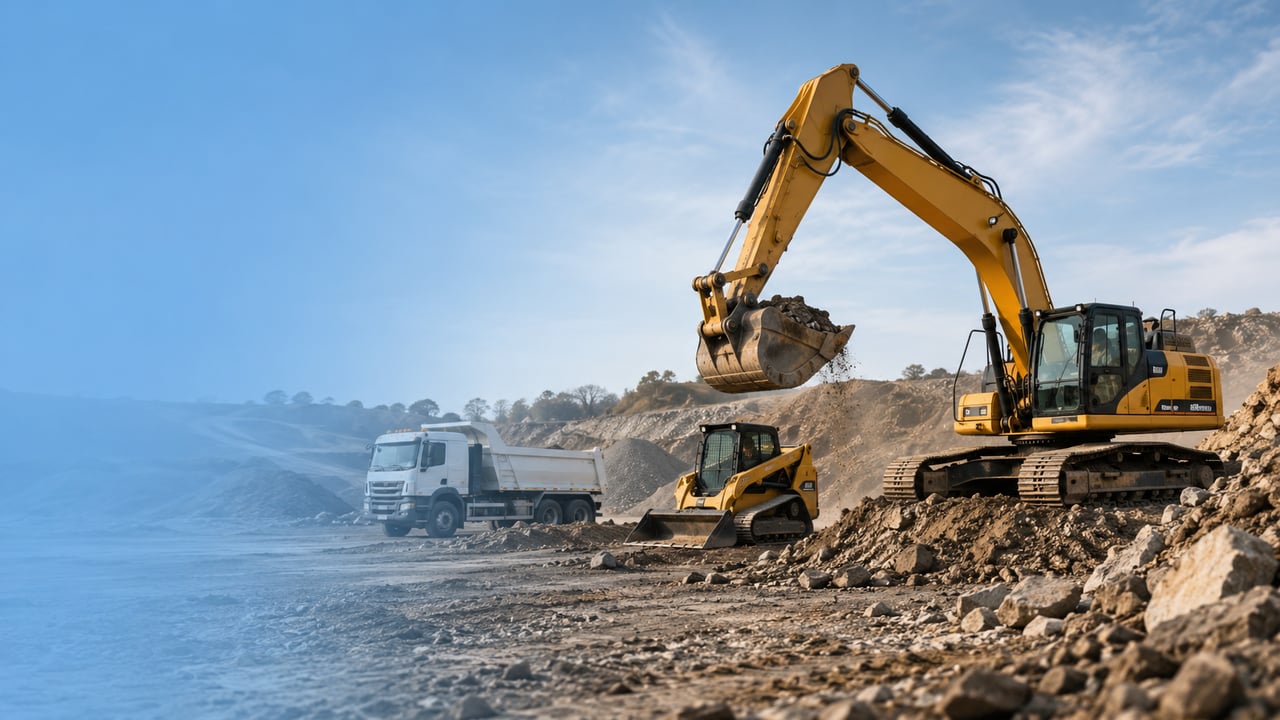
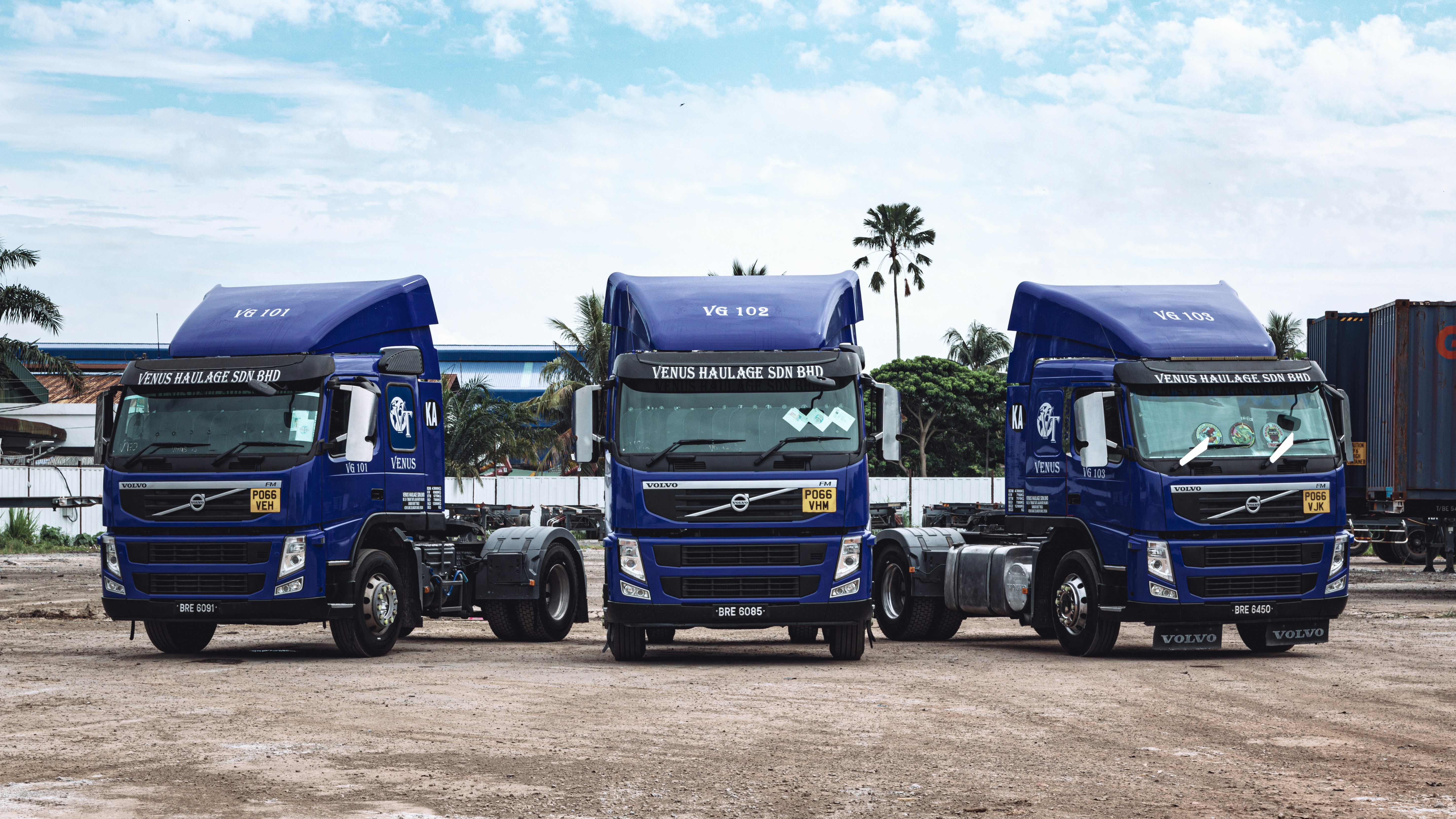
Excavators, skid steers, loaders, dozers, graders, rollers, tipper trucks and attachments are expensive, but they are also income-producing. That’s why many Aussie earthmoving and civil operators choose equipment finance instead of paying cash upfront.
This guide breaks down how heavy equipment finance works in Australia, what lenders look for, what documents you’ll need, which finance types suit different situations, and how to improve approval odds, especially if your ABN is newer or your paperwork isn’t perfect.
What is heavy equipment finance?
Heavy equipment finance is a loan or lease used to buy excavators, earthmoving machinery, plant and attachments, where the equipment usually acts as security.
Can I finance an excavator on ABN?
Often yes. Many lenders offer ABN equipment finance using tax returns and financials, or low doc assessment depending on the situation.
What do lenders look at most?
Affordability, bank statement conduct, credit history, ABN and trading strength, and the equipment’s age, condition, and resale value.
What counts as “heavy equipment” for finance?
Common assets lenders finance include:
- Excavators (mini to 30+ tonne)
- Skid steer loaders and compact track loaders
- Wheel loaders
- Dozers, graders, rollers, scrapers
- Backhoes and telehandlers
- Mobile crushers, screeners, conveyors (often case-by-case)
- Attachments: buckets, breakers, augers, tilt hitches, grabs
- Trailers and float trailers (often treated separately)
- Tippers and related earthmoving support vehicles (may be separate vehicle finance products)
How heavy equipment finance works in Australia
In simple terms:
- You choose the equipment (new or used) and get a quote or invoice
- The lender assesses you (income, expenses, credit, business) and the asset (value, condition)
- If approved, the lender pays the supplier and you make repayments over an agreed term
- You use the machine to earn income while paying it off
Most lenders prefer purchases through reputable dealers, but private sales can be possible with the right documentation and valuation.
Finance options for excavators and earthmoving gear
1) Chattel mortgage
Best for: ABN operators who want to own the machine from day one (common for established businesses).
How it works: You buy the excavator or plant in the business name, and the lender takes security over the asset. You make repayments over an agreed term.
Why people choose it:
- Ownership from day one
- Straightforward structure
- Often suits standard machines (excavators, skid steers, loaders, attachments bundled in)
- Clear repayment schedule and end outcome (you own it)
2) Low doc equipment finance
Best for: Businesses that do not have full financials or tax returns ready yet, or have non-standard income patterns (common in earthmoving).
How it works: The lender leans more on alternative evidence like:
- Bank statements (often 3 to 6 months)
- BAS (if available)
- Invoices, contracts, job pipeline
- Accountant letter (sometimes)
Plus a clear explanation of how the machine will be paid for through cashflow.
Why people choose it:
- Can be possible without lodged financials
- Faster pathway for newer ABNs or messy paperwork (when packaged properly)
Important note: Low doc does not mean no checks. You still need to show affordability and a clear story.
New equipment vs used equipment
Financing new equipment
Pros:
- Easier valuations
- Often stronger lender appetite
- Warranty and predictable servicing costs
Cons:
Financing used equipment
Pros:
- Lower purchase price
- Faster entry into a machine that earns money now
Cons:
- Lenders may care more about age, hours, and condition
- Might require inspections, service history, or tighter terms
Rule of thumb: the older and more specialised the machine, the more important valuation support and a clean story become.
Can I finance an excavator or heavy equipment on a new ABN?
Often yes. Some lenders will assess newer ABNs using 3 to 6 months bank statements, invoices, and job pipeline, especially with reasonable personal credit.
How many months of statements do I need?
Usually 3 to 6 months. More history generally improves approval odds and pricing.
Can I finance used or older equipment?
Yes, but rules tighten as the machine gets older. Lenders look at age at purchase, age at end of term, hours, condition, service history, and resale value.
Is private sale finance possible?
Sometimes. Dealer purchases are easier. Private sales may need extra checks like proof of ownership, serial number verification, PPSR, and valuation support.
Do I need a deposit?
Not always, but a deposit can help a lot, especially for older machines, high hours, private sale, or newer ABNs.
What affects approval the most?
Affordability on statements, credit history, time trading, existing liabilities, plus the machine’s age, condition, and resale demand.