A Beginner's Guide to Asset Finance Eligibility 2026
Read time: 21 min
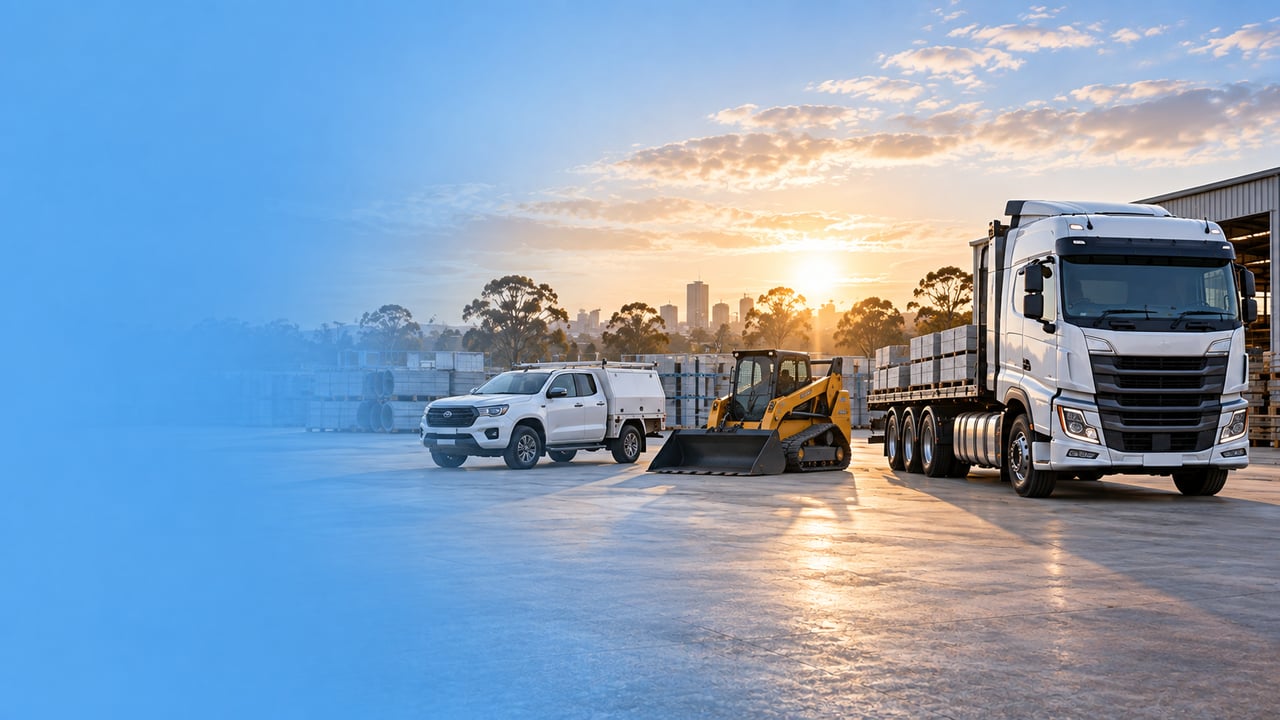
Commercial asset finance allows Australian businesses to purchase vehicles, machinery and equipment and repay the cost over an agreed finance term rather than paying the full purchase price upfront.
To qualify, lenders generally look at your ABN and trading history, business income, credit profile, existing commitments, industry experience and the asset you want to finance. There is no single minimum ABN age that applies across every Australian lender. Some lenders prefer established businesses, while selected lenders can consider newer ABNs where the overall application supports the purchase.
The Asset Finance Shop (TAFS) is a specialised asset finance broker with access to more than 80 bank and non-bank lenders. TAFS reviews applications through an internal credit team before making a formal lender submission, helping match the business and asset with lenders whose requirements suit the application.
For straightforward applications where the required information is available, approval can be arranged in as little as 24 hours.
This beginner's guide explains asset finance eligibility in Australia, minimum ABN age requirements, what lenders assess, what documents you may need and how to prepare for a faster commercial asset finance approval.
What Is Commercial Asset Finance?
Commercial asset finance is business finance used to purchase an identifiable vehicle, machine or piece of equipment.
The asset generally provides security for the finance.
Businesses can use commercial asset finance for assets including:
- Prime movers
- Rigid trucks
- Tippers
- Trailers
- Utes
- Vans
- Excavators
- Skid steers
- Posi-tracks
- Loaders
- Rollers
- Tractors
- Harvesters
- Forklifts
- Manufacturing machinery
- Trade equipment
- Other commercial equipment
Both new and used assets can be financed through selected lenders.
Finance may also be available for purchases through dealers, private sellers and auctions.
Who Is Eligible for Commercial Asset Finance?
Asset finance eligibility depends on the complete application rather than one single requirement.
A lender will generally want to understand:
- Who is applying
- How long the business has operated
- What the business does
- How it generates income
- What existing financial commitments it has
- What asset is being purchased
- How the proposed repayments will be made
An established company with several years of trading history may have a different application pathway from a newly registered sole trader.
Both can potentially qualify.
The important part is matching the application with a lender whose criteria suit the business.
What Is the Minimum ABN Age for Commercial Asset Finance?
There is no universal minimum ABN age for commercial asset finance in Australia.
Different lenders have different policies.
Some lenders may prefer businesses with an established trading history.
Selected lenders can also consider newer ABNs where the application is supported by factors such as:
- Relevant industry experience
- Current or upcoming work
- Strong bank statement activity
- Suitable credit history
- Available working capital
- A deposit or trade-in
- A commercially sensible asset purchase
This means you should not assume you need to wait six months, 12 months or two years before asking about finance.
The first step is finding out which lenders are prepared to consider your current business position.
Can I Get Asset Finance With an ABN Under 12 Months Old?
Potentially.
Selected lenders consider businesses with ABNs under 12 months old.
A shorter trading history means there is less historical business information for the lender to review, so other parts of the application can become more important.
These may include:
- Previous industry experience
- Current income
- Bank statements
- Contracts
- Work source agreements
- Personal credit history
- Available savings
- Deposit
- Existing assets
- The equipment being financed
For example, someone starting an earthmoving business may have only recently registered an ABN but have ten years of experience operating excavators.
The business is new, but the applicant already understands the work, machinery and operating costs involved.
That experience can form part of the lender's assessment.
Can a Brand-New ABN Get Asset Finance?
Potentially.
A brand-new ABN does not automatically mean commercial asset finance is unavailable.
Selected lenders can consider start-up or newly registered businesses where there is enough information to support the application.
A lender may look more closely at:
- Previous employment
- Previous subcontracting experience
- Industry qualifications
- Current contracts
- Letters of intent
- Expected work
- Bank statements
- Credit profile
- Deposit
- Asset value
The lender needs to understand how the business is expected to operate and how the asset will help generate income.
Does Previous Industry Experience Count?
Yes.
Previous industry experience can be particularly useful when the current ABN has limited trading history.
Relevant experience can include time spent as:
- An employee
- A subcontractor
- An owner-operator
- A machinery operator
- A driver
- A tradesperson
- A supervisor
- A business manager
Consider a driver starting their own transport business.
They may have years of experience operating heavy vehicles, understanding transport contracts and managing daily running costs even though their own business has only recently started.
That background can help explain the application to the lender.
What Do Lenders Look at for Asset Finance Approval?
Commercial asset finance lenders generally assess several areas together.
1. ABN and Trading History
The lender may look at:
- ABN registration date
- How long the business has actively traded
- Business structure
- GST registration
- Previous business activity
- Stability of income
A longer trading history can provide more evidence for the lender, but it is not the only way to demonstrate that a business can support the finance.
2. Business Income
The lender needs to understand how the proposed repayments will be made.
Depending on the application, income may be supported through:
- Business bank statements
- BAS
- Financial statements
- Tax returns
- Contracts
- Purchase orders
- Work source agreements
- Existing customer income
Different lenders can ask for different levels of documentation.
3. Industry Experience
Industry experience helps the lender understand whether the applicant knows the work associated with the asset.
For example:
- A transport operator financing a prime mover
- A civil contractor financing an excavator
- A farmer financing a tractor
- A manufacturing business financing a CNC machine
The clearer the connection between the applicant's experience and the asset, the easier it is to explain why the purchase makes commercial sense.
4. Credit History
The lender may consider:
- Current credit conduct
- Existing finance
- Previous defaults
- Credit enquiries
- Repayment history
Credit history is one part of the assessment.
Different lenders have different approaches to previous credit issues, so the available options depend on the circumstances.
5. Existing Financial Commitments
The lender also needs to understand what the business already needs to repay.
This may include:
- Truck finance
- Vehicle finance
- Equipment loans
- Business loans
- Credit cards
- Mortgages
- Tax obligations
- Other recurring debts
Existing finance does not automatically prevent another approval.
The question is whether the business can comfortably manage the additional repayment.
6. The Asset Being Purchased
The asset itself matters.
The lender may consider:
- Asset type
- Purchase price
- Market value
- Age
- Condition
- Kilometres
- Operating hours
- Expected working life
- Resale market
A $100,000 excavator and a $100,000 piece of highly specialised equipment may have different lender options because the assets themselves are different.
7. Repayment Capacity
Ultimately, the lender needs to be comfortable that the business can afford the proposed finance.
That assessment can consider:
- Current income
- Existing debts
- Normal operating expenses
- Proposed repayment
- Available working capital
- Income expected from the new asset
Approval is not simply about whether the lender is willing to finance the equipment.
The finance also needs to fit the business.
What Documents Do I Need for Asset Finance?
For an initial commercial asset finance assessment, you may need:
- Driver's licence
- ABN and business details
- Recent business bank statements
- Details of existing finance
- Information about current work
- Industry experience
- Assets and liabilities
Some applications may also require:
- BAS
- Financial statements
- Tax returns
- Existing loan statements
- Contracts
- Work source agreements
- Accountant information
You do not necessarily need to have the final dealer invoice or complete asset paperwork before starting the initial finance assessment.
The detailed vehicle or equipment information can generally be provided later once the asset has been identified.
That may include:
- Purchase price
- Make and model
- Year
- VIN or serial number
- Registration
- Kilometres
- Operating hours
- Private seller information
- Auction invoice
- Valuation or inspection where required
Do I Need Financial Statements for Commercial Asset Finance?
Not always.
Selected lenders offer low doc commercial asset finance.
A low doc application may use information such as:
- Recent business bank statements
- ABN history
- Credit profile
- Industry experience
- Current business income
- Existing commitments
- Information about the asset
instead of requiring a complete set of financial statements and tax returns.
Low doc does not mean the lender does not assess the business.
It simply means the lender uses a different documentation pathway.
Full Doc vs Low Doc Asset Finance
|
Factor |
Full Doc |
Low Doc |
|
Financial statements |
Commonly required |
May not be required |
|
Tax returns |
May be required |
May not be required |
|
BAS |
Commonly used |
Depends on lender |
|
Bank statements |
May be required |
Commonly used |
|
Business history |
Often established |
Can suit selected applicants without current full financials |
|
Industry experience |
Relevant |
Can become more important |
|
Lender options |
Depends on application |
Selected lenders |
Neither pathway is automatically better.
The appropriate option depends on what information the business has available and which lenders suit the application.
Do I Need to Be Registered for GST?
Not for every asset finance application.
GST registration requirements vary between lenders.
A lender may consider:
- Business turnover
- ABN age
- Finance amount
- Type of asset
- Business activity
If your business is not registered for GST, tell your broker at the beginning.
That allows the application to be assessed against lenders whose requirements fit the business.
Do I Need a Deposit for Asset Finance?
Not every commercial asset finance application requires a deposit.
Whether one is needed can depend on:
- ABN age
- Trading history
- Credit profile
- Asset type
- Asset value
- Purchase price
- Documentation
- Finance amount
- Repayment capacity
A deposit can:
- Reduce the amount financed
- Lower the repayment
- Reduce the overall interest cost
- Improve the loan-to-value position
However, a larger deposit also removes more cash from the business.
That cash may still be needed for:
- Wages
- Fuel
- Suppliers
- Repairs
- Insurance
- Tax
- Stock
- Working capital
The right deposit should fit the overall business position.
Can I Finance the Full Purchase Price?
Potentially.
Selected applicants may qualify for finance covering the full purchase price of an eligible asset.
The lender may consider:
- Business history
- Credit conduct
- Asset value
- Industry experience
- Repayment capacity
- Existing debts
- Available working capital
Finance covering the full purchase price is subject to lender criteria and is not available in every application.
Can I Use a Trade-In?
Yes.
A trade-in can contribute toward the purchase of replacement equipment.
For example:
Trade-in value: $60,000
Existing finance payout: $25,000
Potential equity: $35,000
That remaining equity may contribute toward the new asset.
The actual amount will depend on the trade-in value and existing finance payout at settlement.
What Is the Fastest Way to Get Commercial Asset Finance Approved?
The fastest way to get an asset finance application approved is to have the important information ready before the formal lender submission.
There are several practical ways to do this.
1. Have Your Bank Statements Ready
Recent bank statements can give the lender a current picture of the business.
They may show:
- Trading income
- Existing repayments
- Regular expenses
- Account conduct
- Available cash flow
Providing complete statements early can reduce follow-up questions.
2. Explain Your ABN History
If the ABN is new but you have previous experience, explain it clearly.
This could include:
- Previous sole trader activity
- Previous company experience
- Employment in the same industry
- Subcontracting work
- Previous business ownership
The registration date only tells the lender how old the current ABN is.
It does not necessarily tell them how experienced the applicant is.
3. Disclose Existing Debts
Provide accurate information about:
- Commercial vehicle finance
- Machinery finance
- Business loans
- Credit cards
- Mortgages
- ATO debt
- Other commitments
If debts are discovered later, the lender may need to reassess the application.
4. Explain Why the Asset Is Needed
The lender should understand the commercial reason for the purchase.
For example:
- Replacing an unreliable truck
- Adding an excavator for a new contract
- Reducing equipment hire
- Expanding production
- Taking more work in-house
- Increasing transport capacity
- Replacing ageing machinery
A clear purpose makes the application easier to assess.
5. Have Evidence of Work Available
This can be particularly useful for a newer business.
Supporting information could include:
- Contracts
- Work source agreements
- Letters of intent
- Purchase orders
- Regular customer information
Not every lender requires these documents.
Having them available means they can be provided quickly if needed.
6. Choose an Appropriate Asset
The proposed purchase should make sense for the business.
The lender may consider whether:
- The purchase price suits the business
- The equipment suits the work
- The repayment is affordable
- The asset has a reasonable remaining working life
- The purchase price reflects market value
A sensible asset purchase is easier to explain than one that appears disconnected from the size or activity of the business.
7. Start Before the Purchase Becomes Urgent
Where possible, start discussing finance before:
- Signing an urgent contract
- Bidding at an auction
- Paying a significant deposit
- Promising a private seller immediate settlement
- Requiring equipment on site the next day
This gives more time to assess suitable lenders and deal with any documentation requirements.
8. Respond Quickly to Requests
Once the application is underway, approval can be delayed while waiting for requested information.
If your broker or lender asks for:
- A bank statement
- Existing finance statement
- Contract
- Credit explanation
- Seller information
- Inspection
- Valuation
providing it promptly can help keep the application moving.
Can Commercial Asset Finance Be Approved in 24 Hours?
Yes.
Straightforward commercial asset finance applications can be approved in as little as 24 hours when the required information is available.
This is more achievable where:
- Business information is complete
- Bank statements are ready
- Existing debts are clear
- Credit history is straightforward
- Asset information is available when required
- The lender's eligibility criteria suit the applicant
Applications can take longer where they involve:
- A newer ABN
- Limited documentation
- Older equipment
- Private sellers
- Credit issues
- ATO debt
- Inspections
- Valuations
- Larger or more complex transactions
Fast approval still requires a proper credit assessment.
What Can Delay Asset Finance Approval?
Missing Information
Incomplete applications usually require more back and forth.
Incorrect Business Details
The ABN, business structure and applicant information should be accurate.
Unexplained Business History
Where a current ABN is new, explain any previous business or industry history.
Undisclosed Finance
Existing debts found later may require the lender to recalculate repayment capacity.
Previous Credit Issues
The lender may require additional background or supporting information.
Older Assets
An older machine or vehicle may require a shorter term, valuation or inspection.
Private Sales
The lender may need to verify the seller, asset ownership and existing security.
ATO Debt
Additional information about the balance and any payment arrangements may be needed.
Can I Get Asset Finance With Credit Issues?
Potentially.
Different lenders have different approaches to previous credit problems.
The lender may consider:
- Type of issue
- When it occurred
- Whether defaults have been paid
- Current credit conduct
- Business cash flow
- Existing finance
- Deposit
- Asset value
Previous credit issues can affect lender availability, pricing, deposit requirements and approval time.
Providing the complete background at the beginning allows the application to be assessed more accurately.
Can I Get Asset Finance With ATO Debt?
Potentially.
Selected lenders may consider businesses with ATO debt.
The lender may want information about:
- Amount outstanding
- Payment arrangement
- Current repayment conduct
- Business cash flow
- Existing financial commitments
The lender still needs to be satisfied that the business can manage both its existing obligations and the proposed asset finance repayment.
Can Used Equipment Be Financed?
Yes.
Selected lenders finance used commercial vehicles and equipment.
The lender may assess:
- Asset age
- Condition
- Kilometres
- Operating hours
- Purchase price
- Market value
- Remaining working life
An older asset may have different lender options or a shorter available finance term than a newer asset.
Can I Finance an Asset From a Private Seller?
Yes, through selected lenders.
Private-sale transactions may require additional checks, including:
- Seller identity
- Proof of ownership
- VIN or serial number
- Existing security
- Purchase price
- Asset value
- Condition
These requirements usually become relevant once the asset has been identified.
Can I Finance Equipment Bought at Auction?
Yes.
Selected lenders can finance auction purchases.
Pre-approval may also be available before bidding.
This can help you understand:
- Approximate finance amount
- Deposit expectations
- Acceptable asset age
- Available finance term
- Expected repayment
Final approval will still depend on the asset purchased.
What Is a Chattel Mortgage?
The main commercial asset finance product TAFS arranges is a chattel mortgage.
Under a chattel mortgage:
- The business owns the asset from settlement
- The lender registers a security interest over it
- Finance is repaid over an agreed term
- A deposit can be included
- A trade-in can contribute toward the purchase
- A balloon payment may be available
- The lender's security is removed once the finance is repaid
A chattel mortgage can be used for eligible vehicles, trucks, machinery and commercial equipment.
The business may be able to claim eligible GST, interest and depreciation depending on its circumstances.
Speak with your accountant about the tax treatment that applies.
How to Know if You're Ready to Apply
Before starting the application, work through this checklist.
Business
- Is your ABN active?
- How long have you been trading?
- Is the current ABN new but supported by previous experience?
- Are you GST registered?
- What does the business do?
Income
- Are business bank statements available?
- Can you clearly explain current income?
- Do you have contracts or regular work?
Credit
- Are there any previous defaults?
- Are current loans being paid on time?
- Do you have existing commercial finance?
- Is there any ATO debt that needs to be disclosed?
Asset
- What type of asset are you buying?
- What is the approximate budget?
- Is it new or used?
- Will it be purchased from a dealer, private seller or auction?
- How will it be used in the business?
Finance Structure
- Do you have a deposit?
- Do you have a trade-in?
- How much working capital do you want to retain?
- What repayment can the business comfortably manage?
You do not need every answer to be perfect before speaking with a broker.
The purpose of the initial assessment is to understand the position and identify suitable finance pathways.
How the TAFS Asset Finance Process Works
1. Initial Assessment
TAFS reviews the business, ABN history, industry experience, available documentation and proposed asset purchase.
2. Soft Credit Check
TAFS starts with a soft credit check that leaves no mark on the applicant's credit file.
3. Internal Credit Review
The TAFS internal credit team assesses the application before a formal lender submission.
4. Compare Suitable Lenders
TAFS has access to more than 80 bank and non-bank lenders.
The application can be matched based on factors including:
- ABN age
- Trading history
- Documentation
- Credit profile
- Asset type
- Purchase method
- Finance amount
5. Structure the Finance
TAFS can review:
- Finance amount
- Deposit
- Trade-in
- Finance term
- Repayment
- Balloon
The objective is to structure the finance around the asset and business rather than simply seeking the lowest possible repayment.
6. Submit the Formal Application
Once the business selects an option, the formal application is submitted to the chosen lender.
7. Approval and Settlement
TAFS coordinates the remaining lender requirements, finance documentation and settlement with the approved seller.
Questions to Ask Before Applying for Asset Finance
Before applying, ask:
- Does the lender accept my ABN age?
- How much trading history is required?
- Does my previous industry experience count?
- Do I need full financial statements?
- Is low doc finance available?
- What bank statements will be required?
- Does GST registration matter?
- Is a deposit required?
- Can I use a trade-in?
- Can the full purchase price be financed?
- Can used equipment be financed?
- Are private sales accepted?
- Can auction purchases be financed?
- Is pre-approval available?
- Will the asset require a valuation?
- Will an inspection be required?
- What interest rate applies?
- What will the repayment be?
- Is there a balloon payment?
- What is the total estimated amount repayable?
- How quickly can the application be assessed?
- What needs to happen before settlement?
Frequently Asked Questions
What Is the Minimum ABN Age for Commercial Asset Finance?
There is no single minimum ABN age that applies across every Australian lender.
Some lenders prefer established businesses, while selected lenders can consider newer ABNs where the applicant has suitable industry experience, financial capacity and a commercially sensible asset purchase.
Can I Get Commercial Asset Finance With a New ABN?
Potentially.
Selected lenders consider newer businesses.
Industry experience, bank statements, contracts, credit history, working capital and the proposed asset can all form part of the assessment.
Can I Get Finance if My ABN Is Less Than 12 Months Old?
Potentially.
ABN age requirements vary between lenders.
A business with less than 12 months of trading history may still have options depending on the overall application.
Can I Get Asset Finance With a Brand-New ABN?
Potentially.
Selected lenders can assess new businesses where there is enough supporting information to demonstrate experience, expected work, financial position and repayment capacity.
Do I Need Two Years of Trading History?
Not for every lender.
Some lenders prefer longer trading histories, while selected lenders consider newer businesses.
There is no universal two-year requirement across commercial asset finance.
What Does a Lender Look at for Asset Finance Eligibility?
Lenders can consider ABN history, trading history, business income, industry experience, credit history, existing commitments, repayment capacity and the asset being purchased.
What Is the Fastest Way to Get Commercial Asset Finance Approved?
Have your business information and bank statements ready, disclose existing debts, explain your ABN and industry history clearly and provide evidence of current or upcoming work where relevant.
The application should then be matched with a lender whose requirements suit the business and asset.
Can Asset Finance Be Approved in 24 Hours?
Yes.
Straightforward applications can be approved in as little as 24 hours where the required information is available.
More complex applications may take longer.
Do I Need Financial Statements?
Not always.
Selected low doc lenders may assess applications using recent bank statements, ABN information, industry experience and other business information.
Do I Need to Be GST Registered?
Not for every application.
GST requirements vary depending on the lender, business and finance amount.
Do I Need a Deposit?
Not every application requires a deposit.
The requirement depends on the business, asset, finance amount, lender and overall strength of the application.
Can I Finance 100% of an Asset Purchase?
Potentially.
Selected applicants may qualify for finance covering the full purchase price, subject to lender criteria.
Can Sole Traders Get Commercial Asset Finance?
Yes.
Sole traders can apply for commercial asset finance for eligible vehicles, machinery and equipment.
Can Used Equipment Be Financed?
Yes.
Selected lenders finance used vehicles, machinery and other commercial equipment.
Can Private-Sale Equipment Be Financed?
Yes, through selected lenders.
Additional seller, ownership and asset checks may be required.
Can I Get Pre-Approved Before an Auction?
Potentially.
Selected lenders may provide pre-approval before bidding, subject to the final asset being acceptable.
Can I Get Asset Finance With Credit Issues?
Potentially.
Different lenders have different credit criteria, so the available options depend on the nature of the issue, current financial position and complete application.
Can I Get Asset Finance With ATO Debt?
Potentially.
Selected lenders may consider ATO debt where the business can demonstrate that its existing obligations and the proposed repayment are manageable.
Does TAFS Apply to Multiple Lenders?
TAFS reviews the application internally and compares suitable lender criteria before making the formal lender submission.
Once an option has been selected, the formal application is submitted to the chosen lender.
What Is the Main Asset Finance Product TAFS Arranges?
TAFS primarily arranges chattel mortgage finance for commercial vehicles, machinery and other eligible business assets.
How Quickly Can TAFS Arrange Commercial Asset Finance?
For straightforward applications where the required information is available, approval can be arranged in as little as 24 hours.
Check Your Asset Finance Eligibility With TAFS
You do not need to know whether your ABN is "old enough" before speaking with a broker.
Commercial asset finance eligibility depends on the full picture, including your trading history, industry experience, business income, credit position, existing commitments and the asset you want to purchase.
TAFS can assess your current position, complete a soft credit check and compare suitable options through access to more than 80 bank and non-bank lenders.
The Asset Finance Shop (TAFS) is a commercial asset finance brokerage based in Sydney.
Information on this page is general in nature and doesn't take your personal circumstances into account. Speak to a TAFS broker for options tailored to your business, and to your accountant regarding tax treatment.